Table of contents
- Why Most Restaurant Digital Marketing Advice Leads to Wasted Spend
- The Only Two Goals That Should Drive Every Marketing Decision
- Your Google Presence: The Highest-ROI 30 Minutes You’ll Spend Each Week
- Your Website and Direct Ordering: Own the Guest, Don’t Rent Them
- The Third-Party Delivery Math Every Independent Should Run
- Social Media: What Actually Drives Reservations vs. What Just Gets Likes
- Email and SMS: The Owned Channels That Compound Over Time
- Paid Advertising: When to Turn It On, and When It’s Money Down the Drain
- A Practical Marketing Calendar for a One-Person Operation
- Start Free, Go Paid Only After Organic Converts
- Frequently asked questions about digital marketing for restaurants
Instagram every day, a boosted Facebook post here and there, and still a quiet dining room on Tuesday nights. The problem usually isn’t effort. It’s sequence. Most digital marketing guides tell restaurant operators to be everywhere at once, and that advice burns real hours and real budget before anyone locks in the channels that actually move covers.
This guide ranks every major restaurant digital marketing channel by return-per-dollar and return-per-hour, so you can stop spreading thin and start spending where it counts.
Key Takeaways
- Google Business Profile is the single highest-ROI marketing asset available to an independent restaurant. It’s free to maintain, targets high-intent local searchers, and takes about 30 minutes a week. Lock this down before spending anything on paid media.
- Third-party delivery platforms charge 25-30% per order. Treat them as a paid customer-acquisition channel with a known cost, not as free revenue, and build a deliberate plan to migrate marketplace customers to direct ordering over time.
- Owner-hours are a real budget line: Instagram Reels done correctly cost 4-6 hours per week; a Google Business Profile update costs 30 minutes and drives more direct bookings. Rank every marketing activity by return-per-hour, not just return-per-dollar.
- Email marketing delivers $36-$40 for every $1 spent, and unlike social media followers, you own the list. No algorithm can change that overnight. Building that list through direct ordering checkout, WiFi login, and loyalty sign-ups should be a Day 1 priority, not a future project.
Why Most Restaurant Digital Marketing Advice Leads to Wasted Spend
Most guests research a restaurant online before they walk through the door. That intent is real and capturable, but only if you’re in the right place when they search.
The problem is the “be on every platform” trap. Generic marketing guides treat TikTok, Google, email, delivery apps, and paid ads as equally worthy of your time. For a solo operator running a 40-seat restaurant, that’s a recipe for doing everything at a C-minus level instead of doing the high-return things exceptionally well.
The framework here is simple. Every channel earns its place by serving one of two goals: acquiring new guests, or retaining guests and increasing visit frequency. If a tactic doesn’t serve either goal, it’s a vanity spend. Sequencing matters too. Free high-intent channels first, owned channels second, paid channels only after organic is proven. A sound restaurant digital marketing strategy follows that order, not the reverse.
The Only Two Goals That Should Drive Every Marketing Decision
Before you allocate another dollar or hour, map your current marketing mix against these two goals. This is the foundation of any sound restaurant marketing strategy.
Goal 1: Acquire new guests. Channels that intercept high-intent search (Google, local SEO), power local discovery (Google Maps, Yelp, TripAdvisor), and amplify word of mouth (online reviews, user-generated content).
Goal 2: Retain guests and increase visit frequency. Owned channels, including email marketing, SMS marketing, and loyalty programs, that you control completely. No platform can algorithm-shift your email list overnight.
Every channel maps to one or both goals. If it doesn’t, cut it or pause it. And remember: your hours are a budget line just like ad spend. A one- or two-person operation has maybe 3-5 hours per week for marketing. Treat that time like cash.
Your Google Presence: The Highest-ROI 30 Minutes You’ll Spend Each Week
Why Google Business Profile Comes First
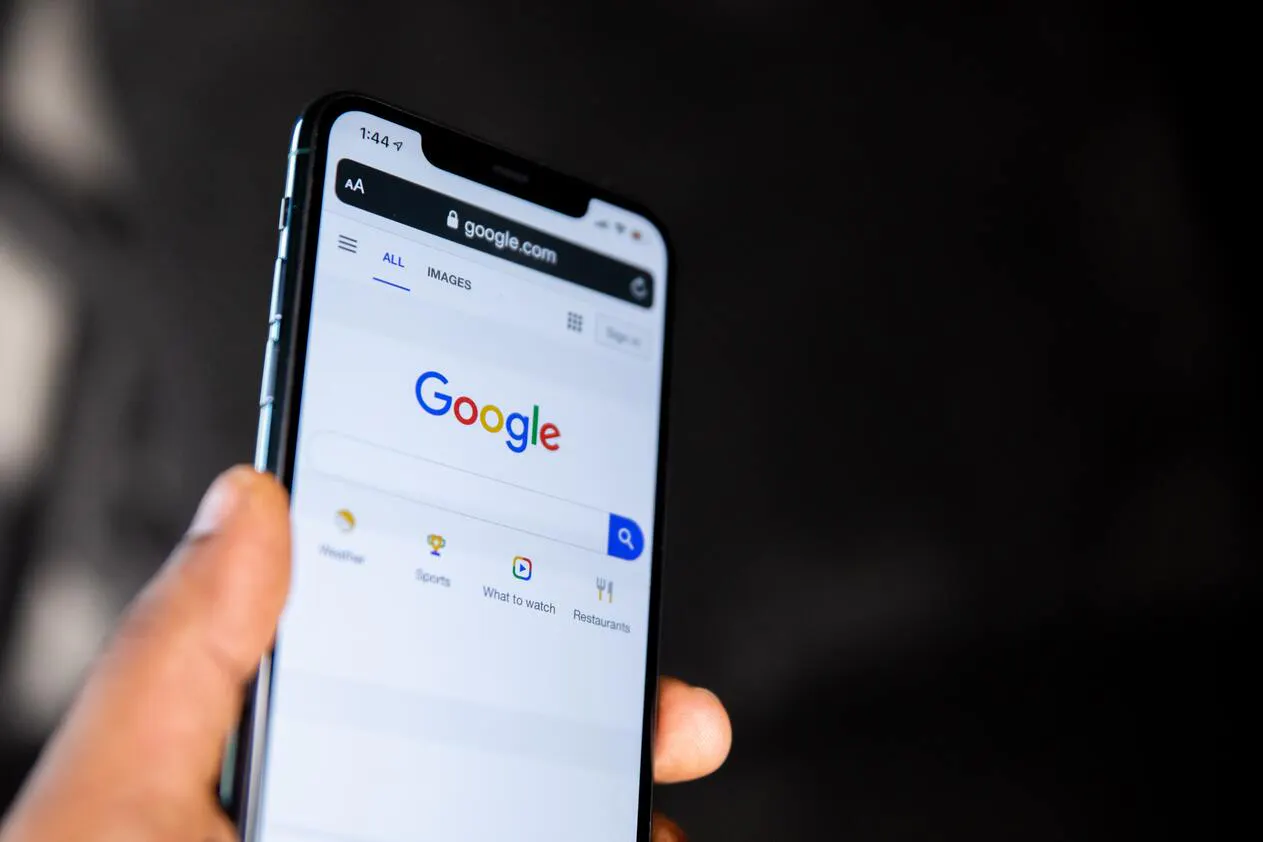
Your Google Business Profile (GBP) is the most valuable free marketing asset in your stack. It’s the listing that shows up in the local map pack when someone searches “tacos near me” or “best brunch [your city].” Fully optimized, it drives foot traffic, phone calls, and direct orders from people who are already ready to eat.
What it is: A free listing on Google that controls how your restaurant appears in Google Search and Google Maps.
Why it works: Your GBP is your most powerful search engine optimization asset because it captures high-intent local searchers at the exact moment they’re deciding where to go. No ad spend required. A complete, active profile improves your digital presence in the “restaurants near me” results that drive the most walk-in and delivery traffic.
Quick tip: Fill every field, including menu link, hours, attributes (outdoor seating, takeout, delivery), photos, and the Q&A section. Incomplete profiles rank lower and convert worse.
Review Velocity Matters More Than You Think
Volume, recency, and owner response rate all signal trust to Google’s local algorithm. A restaurant with 200 customer reviews averaging 4.4 stars and responses to 80% of them will outrank a competitor with 50 reviews and no responses. Online reputation is not passive. It compounds with every response you write and every Google review you earn.
Ethical ways to build review velocity:
- QR codes on receipts and table cards linking directly to your Google review page
- Post-visit SMS or email request timed 2-4 hours after the meal
- A brief in-person mention at checkout: “If you enjoyed tonight, a Google review means the world to us”
Never offer discounts or freebies in exchange for reviews. It violates Google’s and Yelp’s policies and risks penalty.
Managing customer reviews across every platform used to mean checking Yelp, DoorDash, and Google Maps separately. Otter’s Ratings and Reviews brings all review management into one dashboard, so nothing slips through the noise.
NAP Consistency Across Every Platform
NAP (Name, Address, Phone number) must be identical across Google, Yelp, TripAdvisor, Apple Maps, and Facebook. One conflicting address suppresses your local pack ranking. Audit all four platforms quarterly.
The HTML Menu vs. PDF Problem
Google cannot index a PDF menu. A hungry guest on a phone won’t download one either. Your menu needs to be crawlable HTML on your restaurant website, with neighborhood and cuisine keywords naturally included. That single change improves your local SEO more than most paid tactics.
Your Website and Direct Ordering: Own the Guest, Don’t Rent Them
Your restaurant website is your online presence home base. Everything else points back to it.
A few non-negotiables:
- Mobile-friendly design. The majority of restaurant searches happen on a phone. A slow or hard-to-navigate site loses the booking before it starts. Google also ranks mobile-friendly sites higher, which directly affects your search engine optimization.
- HTML menu, not a PDF. Already covered above, and it applies to your site too.
- Direct online ordering. A third-party platform keeps 25-30% of every order before you see a dollar. Direct ordering keeps 100% of the ticket and gives you full ownership of your guest data.
Email capture at direct-ordering checkout and via WiFi login is how you build the owned marketing list that no algorithm can take from you. That data, segmented by order history, visit frequency, and daypart, fuels every downstream email and SMS campaign and drives website traffic back to your owned channel over time.
Catering and group-order landing pages serve double duty: SEO surface area and higher-ticket revenue.
Otter’s commission-free Online Ordering syncs directly with your POS and gives you a branded ordering website. The guest data captured through those direct orders feeds your marketing from day one, improving customer experience and building the first-party list that powers your retention campaigns.
The Third-Party Delivery Math Every Independent Should Run
Run this math before your next delivery platform review. A $40 ticket at 27% commission nets you roughly $29 before labor and food cost. That’s a meaningful gap versus dine-in margin.
Marketplace discovery value is real. DoorDash, Uber Eats, and Grubhub do top-of-funnel acquisition work that a single-location independent can’t replicate at scale. But treating marketplace revenue as equivalent to direct revenue is a mistake. The margin profile is fundamentally different.
The migration playbook:
- Use marketplace for discovery
- Include QR codes in every bag linking to your direct ordering site
- Add loyalty program sign-up cards to every delivery order
- Capture post-delivery emails through receipt or loyalty enrollment
Frame third-party platforms as a paid customer-acquisition channel with a known cost-per-order (the commission), and evaluate them the same way you’d evaluate any other paid media. Is the new guest worth the acquisition cost? Sometimes yes. Often, it depends on whether you convert them to direct.
Otter’s Marketing product automates delivery app promotions across DoorDash, Uber Eats, and Grubhub from a single dashboard. Customers have seen ROI increases of up to 10-20% by optimizing delivery promotions, and well-run promotions can offset commission drag when the lift is real.
Email and SMS: The Owned Channels That Compound Over Time
Email marketing delivers $36-$40 for every $1 spent, the highest documented return on investment of any restaurant marketing channel. Unlike social media followers, you own the list.
List-building sources ranked by volume:
- Direct ordering checkout
- WiFi login
- Loyalty program sign-up
- In-store QR cards on tables and receipts
- Reservation confirmation
Welcome sequence structure:
- Email 1: Confirm the relationship, set expectations
- Email 2: Make a first-visit or repeat-visit offer
- Email 3: Ask for a Google review
Send frequency should match visit frequency: weekly for QSR or fast-casual, bi-weekly or monthly for casual dining.
Segmentation that pays off quickly: new guests vs. regulars, lunch vs. dinner, delivery vs. dine-in. Different messages, different offers.
SMS marketing runs about a 98% open rate, but guests have low tolerance for irrelevance. Reserve it for time-sensitive offers (tonight’s special, a flash reservation opening) and confirmation reminders.
Automation is the real time-saver here. Birthday offers, lapsed-guest win-back sequences, and post-visit review requests can all run without you touching them after setup. Strong customer engagement through these automated touchpoints compounds customer loyalty over time without adding hours to your week.
Bangkok BBQ Bowl made the switch from paper punch cards when they added Otter Loyalty. Here’s how the owner describes the result:
“We use Otter Loyalty. We like it a lot. We used to use a paper loyalty card, but now customers can use digital. They seem happy, and they come back more. They enjoy the points and the rewards.” - Owner, Bangkok BBQ Bowl, West LA
For a step-by-step approach to building a restaurant email list and designing sequences that actually drive repeat visits, see our guide on restaurant email marketing.
Paid Advertising: When to Turn It On, and When It’s Money Down the Drain
Google Ads target high-intent queries (“best tacos near me,” “[cuisine] delivery [city]”) and convert well when your listing and site are already solid. They work best for specific high-margin occasions: catering inquiries, holiday pre-bookings, new location launches, or a limited-time menu event.
Budget floor for a single-location independent: under $500/month, paid search management overhead usually eats the return on investment. Put that budget on email and GBP first.
The readiness checklist before spending on paid advertising:
- GBP fully complete
- Average rating above 4.2 stars
- Mobile-friendly site loads under 3 seconds
- Direct ordering live
- Email capture active
If the fundamentals aren’t converting organic traffic, paid traffic will amplify the problem at cost. Check your conversion rates on the landing pages your ads point to before scaling spend. Boosting a post for $50 and getting 400 likes is not a result. Tie every ad dollar to actual orders, reservations, or foot traffic.
Retargeting campaigns aimed at past website visitors or your own email list are the exception to the “paid ads last” rule. Because you’re reaching a warm audience with known interest, retargeting typically converts at three to five times the rate of cold prospecting at a fraction of the cost. It’s also the most efficient way to reach your target audience with a specific offer at a specific time.
A Practical Marketing Calendar for a One-Person Operation
Weekly (30-60 minutes total):
- Respond to every new Google and Yelp review
- Post 3-4 times on your primary social channel
- Check GBP for new Q&A
Monthly (2-3 hours):
- Send one email newsletter
- Update seasonal menu on GBP and your restaurant website
- Pull delivery platform sales reporting and compare to direct ordering revenue
Quarterly (half day):
- Audit NAP consistency across all platforms
- Evaluate paid advertising ROI against cover count
- Plan upcoming seasonal promotions and events
The time-cost triage: List every marketing activity by hours-per-week and estimated impact on covers. Cut or automate the bottom half.
Automate: Review request texts and emails, welcome sequences, birthday offers, lapsed-guest win-backs
Delegate: Photography, content editing, paid ad creative
Only you: Brand voice decisions, community relationships, local event tie-ins that require your face and your story
Complexity is the enemy of consistency for a solo operator. Two goals, four primary channels, one calendar. That’s a restaurant marketing strategy that actually gets executed.
Start Free, Go Paid Only After Organic Converts
The operators who consistently fill covers aren’t on every platform. They’re excellent on the right ones. Start with your Google Business Profile. Build your email list through every direct order. Treat delivery platforms as a known-cost acquisition channel, not free money. And don’t touch paid ads until the organic fundamentals are converting.
Otter’s tools, including Marketing automation for delivery app promotions, Online Ordering for commission-free direct orders, and Loyalty for guest retention, are built for operators who want results without adding hours to their week.
To see what a connected digital marketing setup looks like in practice, book a demo with Otter.
Frequently asked questions about digital marketing for restaurants
What is the most cost-effective digital marketing channel for an independent restaurant?
Google Business Profile optimization combined with active review management is the highest-return starting point. It’s free, captures high-intent local searchers who are ready to order, and directly influences your placement in Google Maps and the local pack. Lock this down (complete profile, consistent NAP, 10+ recent customer reviews with owner responses) before spending a dollar on paid advertising or social media.
How much should a restaurant spend on digital marketing?
Industry benchmarks suggest 3-6% of gross revenue for total marketing, with digital taking the majority of that budget. For a restaurant doing $1M in annual revenue, that’s $30,000-$60,000 per year. The channel mix matters more than the total spend. Max out free channels like Google Business Profile and owned email before scaling paid search or social ads.
Is Instagram marketing worth the time investment for restaurants?
Yes, when posts include a clear next action: a reservation link, a direct ordering link, or a limited-time offer with a deadline. Strong food photography paired with location tags, hashtags, and actionable captions drives real covers. Content that generates only likes without driving website traffic or orders is a time cost with no measurable return.
Should I run Google Ads or Facebook Ads for my restaurant?
Google Ads are the better starting point for capturing guests actively searching for what you serve. High-intent queries convert well and the traffic is warm. Facebook and Instagram ads are better suited for retargeting guests who already know you, or promoting a specific event to a tight local radius. Run both only after your Google profile, website, and email capture are already working.
Are third-party delivery apps actually good for restaurant marketing?
They’re useful for new-guest discovery but expensive for ongoing revenue generation. At 25-30% commission per order, they’re a paid customer-acquisition channel with a high cost-per-order. Use them for discovery, then actively migrate those customers to direct ordering through QR codes in packaging, loyalty program inserts, and post-delivery email capture.
How do I get more online reviews for my restaurant without breaking platform rules?
The most effective compliant methods: QR codes on receipts and table cards linking directly to your Google review page, post-visit SMS or email requests timed 2-4 hours after the meal, and a brief in-person mention at checkout. Never offer discounts or freebies in exchange for reviews. It violates Google’s and Yelp’s policies and risks penalty.
How do I build a restaurant email list from scratch?
The highest-volume sources are direct online ordering checkout, WiFi login requiring an email address, loyalty program enrollment, and in-store QR codes on table cards or receipts. Even a 500-person list sending a monthly promotion will outperform most boosted social posts. Start collecting on Day 1. Every week without email capture is a week of lost data.
What should a restaurant owner realistically do for marketing each week?
Weekly: respond to all new Google and Yelp reviews (15 minutes), post 3-4 times on your primary social channel (30 minutes), check GBP for new Q&A. Monthly: send one email newsletter, update your menu on GBP and your site, review delivery platform performance. Quarterly: audit NAP consistency, evaluate paid ad return on investment, plan the next season’s promotions. Automate review requests and email sequences so the recurring tasks don’t require your attention every time.
Book a demo to see how Otter’s all-in-one platform can help your restaurant thrive.
Social Media: What Actually Drives Reservations vs. What Just Gets Likes
Instagram Marketing
Instagram is the default visual channel for food. High-quality food photography of real dishes outperforms all other content formats for driving profile visits and link clicks. A consistent brand identity across your social media platforms reinforces recognition and builds brand awareness faster than any single viral post.
What drives covers:
What only gets likes:
Confirm a content type converts organically (saves, link clicks, reservation DMs) before putting paid budget behind it. User-generated content, meaning guest photos reposted with credit, is the highest-trust format and costs nothing.
Sustainable posting cadence: 3-4 times per week consistently beats daily posting that burns out. Algorithms reward consistency, not volume.
Local influencers with a genuine following in your neighborhood can amplify a new menu launch or event at a fraction of what paid social costs. Micro-influencers (1,000-10,000 followers) typically drive higher engagement rates than larger accounts.
For a deeper breakdown of what works across social media platforms, including which post types drive real foot traffic, see our guide on social media marketing for restaurants.
TikTok
TikTok has become a meaningful discovery channel for younger diners. Short-form video showing behind-the-scenes kitchen content, dish preparation, or a “what I ordered” format drives brand awareness and can drive reservations if your location and ordering link are clearly displayed. Your social media strategy should treat TikTok as a top-of-funnel channel, not a conversion channel. It builds interest. Your website and online ordering convert it.
Facebook Ads and Paid Social
Facebook still converts for casual-dining independents, particularly for older demographics, local event promotion, and community group participation. For paid social, retargeting website visitors and your own email list is cheaper and higher-converting than cold-audience prospecting before you have a proven offer. Define your target audience tightly by ZIP code, age range, and dining behavior before scaling spend.