
Table of contents
- Why Customer Loyalty Is More Important Than Ever
- 10 Proven Strategies to Increase Customer Loyalty in Your Restaurant
- How Restaurant Loyalty Programs Drive Customer Retention
- Measuring Customer Loyalty: Key Metrics to Track
- How Otter Helps Restaurants Build Lasting Customer Loyalty
- Frequently Asked Questions About Restaurant Customer Loyalty
A 5% increase in customer retention can boost restaurant profits by up to 95%, according to research by Bain & Company [1]. For restaurant operators, that number makes retention one of the most impactful areas to invest in.
Customer loyalty is especially critical in 2026. Rising food and labor costs are compressing margins, and delivery commissions continue to take a meaningful cut of every off-premise order. With customer acquisition costs climbing, operators who depend on a constant stream of new diners are running an expensive treadmill. Building a base of returning guests is how restaurants get off it.
Look at the contrast between a one-time diner and a loyal regular. A guest who visits once contributes a single check. A loyal regular delivers compounding lifetime value, brings in new customers through word-of-mouth, and provides the kind of social proof that no ad budget can fully replicate: recommendations, positive reviews, public endorsements.
This guide explains how to increase customer loyalty in restaurants in 2026, covering everything from service fundamentals and program design to the role of guest data and marketing automation in driving repeat visits.
Why Customer Loyalty Is More Important Than Ever
Acquiring a new customer costs 5 to 7 times more than retaining an existing one. For a restaurant already managing food costs, labor, and delivery commissions, that gap has a direct impact on profitability.
Loyal customers behave differently than first-time visitors in ways that compound over time, because they:
- Generate higher average order values
- Visit more frequently
- Cost less to market to as the relationship matures
- Are more willing to try new menu items because they already trust the brand
Perhaps most importantly, when something goes wrong or a competitor comes knocking, they are more likely to stay than a guest who has only visited once.
Positive word-of-mouth referrals and social media advocacy add another layer. A loyal guest who recommends your restaurant to a friend, tags you in a post, or leaves a positive review is extending your reach without any additional marketing spend. That kind of organic advocacy is hard to manufacture and genuinely difficult for competitors to undercut.
Put together, these economics explain why loyalty should come before new customer acquisition in your 2026 customer retention strategies for restaurants playbook.
10 Proven Strategies to Increase Customer Loyalty in Your Restaurant
These customer retention strategies for restaurants cover both the fundamentals and the tools that make them sustainable long-term.
1. Deliver Exceptional Customer Service Every Time
Loyalty starts with how guests feel when they interact with your team. A single poor experience can erase goodwill built over multiple visits, so consistent, well-trained service is the foundation everything else builds on.
How to implement:
- Run weekly team training on common service scenarios and brand standards.
- Build a simple service recovery protocol so staff know exactly what to do when something goes wrong, and give them a small discretionary budget ($20 to $50) to resolve issues on the spot.
- Recognize and reward excellent service examples publicly within your team to reinforce the standard.
2. Create a Customer Loyalty Program That Works
A restaurant loyalty program rewards guests for qualifying purchases or visits. To encourage repeat business, make the reward useful, the earning rules clear, and the first redemption achievable at your guests’ usual spending level.
Before choosing points, tiers or perks, look at how other restaurants make rewards easy to earn and redeem. These restaurant loyalty program examples show different approaches you can adapt to your guests and margins.
How to implement:
- Start with a straightforward loyalty points-per-dollar model before adding tiers or complexity.
- Make enrollment easy through QR codes, a mobile app, or direct POS integration.
- Promote the program at every touchpoint: receipts, packaging, social media, and online ordering flow.
- Track enrollment rates, active member percentages, and redemption behavior regularly.
- Use tools like Otter Loyalty that offer a turnkey program setup to connect to your existing ordering channels.
3. Personalize the Customer Experience
Guests notice when a restaurant treats them as an individual. Start by capturing basic information at signup and using it to send more relevant communications over time.
How to implement:
- Collect email or phone number at signup
- Segment customers by behavior: lunch regulars, weekend diners, high-frequency orderers, and lapsed guests.
- Automate birthday rewards and anniversary messages.
- Use purchase history to make targeted offers based on what a guest already orders or is likely to try next.
- A connected platform can capture data across dine-in, takeout, and delivery for a unified view of guest behavior.
4. Maintain Consistent Quality Across All Touchpoints
Consistency is one of the most reliable loyalty drivers available. A great dine-in experience followed by a disappointing delivery order creates doubt that is difficult to recover from.
How to implement:
- Standardize recipes, portion sizes, and preparation methods with detailed prep guides accessible to all kitchen staff.
- Conduct regular taste tests and quality audits across dine-in, takeout, and delivery formats.
- Monitor online reviews for mentions of quality inconsistency and address patterns at the team level.
- Build routine quality checks into your line setup and ticket flow.
5. Leverage Customer Data for Targeted Engagement
Operators who actively analyze purchase patterns, identify at-risk guests, and act on those signals build stronger retention than those who rely on intuition alone.
How to implement:
- Set up automated reports on visit frequency, average order value, and days since last order.
- Build reactivation campaigns targeting guests inactive for 30 or more days, and test different offers by segment rather than sending the same promotion to your entire list.
- Use menu and order data alongside guest behavior to identify which items drive repeat business.
- Analytics tools can surface these insights automatically so you don't have to build every report by hand.
6. Engage Customers on Social Media
Social media keeps your restaurant present between visits and gives loyal guests a natural channel to advocate for you publicly.
How to implement:
- Post consistently, three to five times per week, on the social platforms your customers use.
- Mix genuine content: behind-the-scenes moments, menu highlights, and team stories alongside the occasional promotion.
- Respond promptly to comments, messages, and customer tags.
- Run user-generated content campaigns and offer perks that give guests a reason to share their experience publicly.
- Centralize review and listing management with tools like Otter Ratings and Reviews
7. Build a Strong Brand Community
Guests who feel connected to a restaurant beyond the food are more resistant to competitive pressure. That kind of loyalty is harder for competitors to replicate than any discount or rewards program.
How to implement:
- Host events for brand loyalty members: tastings, new menu previews, or chef-led experiences.
- Partner with local organizations for community events that reflect causes your guests care about.
- Create a VIP tier within your loyalty program that offers exclusive access rather than just additional discounts.
- Maintain a consistent brand personality across all communications so guests feel they know who you are, not just what you sell.
8. Respond to Customer Feedback and Show You're Listening
Responding to reviews builds trust, but closing the loop by making visible changes based on guest input and communicating those changes back is what separates high-retention operators from the rest.
How to implement:
- Set up monitoring alerts so new reviews across Google, Yelp, and social platforms get a prompt response.
- Use response templates that feel personal and train whoever manages reviews to adapt them to each situation.
- Track recurring complaints and address root causes operationally rather than managing them one review at a time.
- When a guest suggestion leads to a real change, say so publicly. A simple "we heard you and made this change" response builds credibility with every guest who reads it.
- Otter Ratings and Reviews uses centralization to to stay on top of guest feedback.
9. Create Memorable Experiences Beyond the Meal
Loyalty deepens when guests experience something unexpected. A complimentary item on a milestone visit or a staff member remembering a regular customer’s usual order will build trust with your brand long after they leave.
How to implement:
- Train staff to spot celebration opportunities and give them a small budget to act on those moments without approval delays.
- Design shareable food presentations and photo-worthy spaces that give guests a natural reason to post about their experience.
- Offer loyalty members early or exclusive access to new menu items before they go public.
10. Use Technology to Enhance Convenience
Friction, whether in ordering, payment, or delivery tracking, is one of the fastest ways to lose a repeat customer. Technology that removes it is a direct investment in retention of existing customers.
How to implement:
- Adopt a cloud-based POS with mobile ordering capabilities to reduce wait times and order errors.
- Offer multiple payment options, including contactless and in-app payment.
- Provide real-time order tracking for takeout and delivery.
- Integrate online ordering across all platforms for consistent positive experiences.
Otter's unified POS platform connects core systems and reduces the fragmentation that comes with managing too many disconnected tools.

How Restaurant Loyalty Programs Drive Customer Retention
A loyalty program gives your guests a reason to return, but rewards should support the experience you already provide. Start with a format your team can explain clearly and your guests can use without unnecessary steps.
Choose a loyalty program format
Format | How it works | What to consider |
|---|---|---|
Spend-based points | Guests earn points on qualifying spending | Set the reward threshold against your average check so guests can see a realistic path to redemption |
Visit-based rewards | Guests earn a reward after qualifying visits or purchases | Define what counts as a visit or purchase and how staff verify it |
Tiered rewards | Guests unlock additional benefits as they reach milestones | Use clear qualification rules and benefits you can afford to deliver |
Subscription perks | Guests pay a recurring fee for defined benefits | Check whether expected usage covers the cost of fulfilling those benefits |
These are general program models. Confirm which formats your chosen platform supports before planning the launch.
Set rewards and rules that protect your margins
Compare the cost of the reward with the qualifying spending needed to earn it. Consider ingredient costs, discount value, and whether guests would have purchased the rewarded item anyway. Make the benefit attainable without relying on discounts that leave too little margin.
Explain these rules before guests enroll:
- Which purchases earn rewards
- How guests check their progress and redeem
- Whether rewards expire or have exclusions
- Which locations and ordering channels participate
- How refunds affect earned points or rewards
Test, train, and launch
- Configure earning rules and rewards, then test enrollment, a qualifying purchase, and redemption on each supported channel
- Train staff to explain the program and resolve common questions
- Promote enrollment through receipts, packaging, signage, your website, and social channels
- Review participation, redemptions, repeat orders, and reward costs, then adjust based on guest and staff feedback
Tip: Launch with one clear earning structure and a small set of rewards. Add complexity only when participation and results justify it.
Measuring Customer Loyalty: Key Metrics to Track
Satisfaction tells you how a guest felt after one visit. These metrics tell you whether they're coming back.
Customer Retention Rate
The percentage of customers who return within a given timeframe.
Formula: ((Customers at end of period - new customers) / customers at start of period) x 100
- Track monthly, quarterly, and annually to spot trends early.
Repeat Purchase Rate
How frequently customers make a second, third, or fourth purchase.
- As a baseline benchmark, aim for 30% or more returning within 90 days.
Customer Lifetime Value (CLV)
Total revenue a customer generates over their entire relationship with your restaurant.
Formula: Average order value x purchase frequency x customer lifespan
- Use to identify your most valuable segments and prioritize retention efforts accordingly.
Net Promoter Score (NPS)
How likely guests are to recommend you, on a scale of 0 to 10.
- Collect via post-visit surveys or loyalty program feedback. A score of 50 or above is excellent for restaurants.
Average Order Value (AOV) by Segment
Compare average order value for members and non-members over the same period, accounting for discounts and redeemed rewards. A higher member average does not, by itself, show that the program caused the difference: frequent guests may already be more likely to join.
Time Between Visits
Track the number of days between qualifying orders and compare it with members’ earlier behavior. Review changes alongside promotions and seasonal patterns so you can judge whether guests are returning more often.
Loyalty Program Engagement
- Enrollment rate and active member percentage
- Reward redemption rates
- Point accumulation patterns
Low redemption rates typically signal that rewards aren't compelling or that guests don't know how to use them.

How Otter Helps Restaurants Build Lasting Customer Loyalty
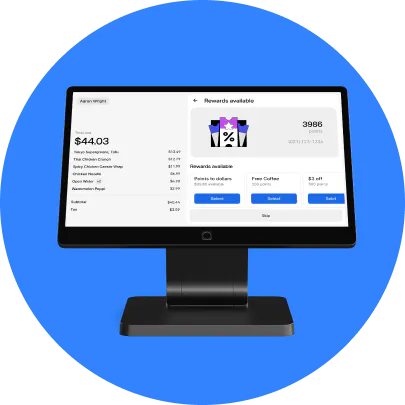
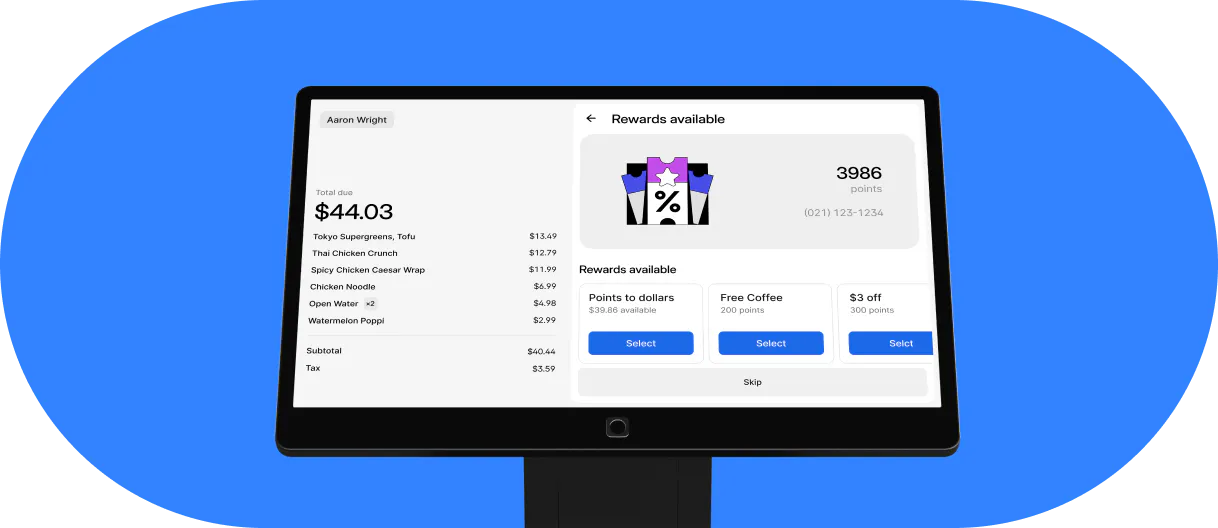
Otter Loyalty lets you reward guests based on qualifying spending or purchases of specific items. Staff can enroll guests, redeem rewards, and review transaction history through the POS.
Guest insights include loyalty-attributed sales, average spending, and member activity. Use that information to review participation and decide whether your rewards remain useful to guests and practical for your restaurant.
Before launching, confirm the earning rules, redemption process, and supported channels in your setup. Test the experience your staff and guests will use during service.
Otter Marketing puts that data to work through automated email and SMS campaigns, re-engagement workflows for lapsed guests, and birthday and milestone triggers, with A/B testing to refine performance over time.
Because loyalty sits within Otter's broader platform alongside POS, Order Management, and Analytics, you get real-time reporting on program performance without managing multiple disconnected systems. The platform scales from a single location to a multi-location chain without requiring a different setup at each level.

Book a demo with Otter
It’s time to enhance your operations with Otter’s all-in-one restaurant platform. Book time with our sales team to learn more.
Frequently Asked Questions About Restaurant Customer Loyalty
How do I start a restaurant loyalty program?
Choose one goal, such as encouraging a second visit, and select an earning structure your guests can understand quickly. Set reward thresholds against typical spending and fulfillment costs, then test enrollment and redemption before launching. Train staff, promote the program through your existing channels, and review participation and reward costs regularly.
What are the 4 C's of customer loyalty?
A common version of the 4 C's is Communication, Choice, Control, and Connection: keeping guests informed, giving them options, letting them manage their experience, and building an emotional bond beyond the transaction.
What are the 3 R's of customer loyalty?
The 3 R's are Rewards, Relevance, and Recognition: meaningful benefits for returning, personalized offers that fit the guest's actual needs, and making guests feel seen and valued.
How do you measure customer loyalty in a restaurant?
Track behavior over time, not single-visit satisfaction. Focus on retention rate, repeat purchase rate across 30/60/90-day windows, time between visits, average order value by segment, and revenue per loyalty member versus non-member.
What is the difference between customer satisfaction and customer loyalty?
Satisfaction reflects how a guest felt about a specific visit. Loyalty is whether they keep choosing your restaurant over alternatives, return regularly, and recommend you to others even when something goes wrong.
How long does it take to build customer loyalty?
It's an ongoing process. Most programs surface clearer patterns after one to two quarters, tracked through 30/60/90-day repeat rates, time between visits, and average spend per active member.
Do loyalty programs really increase customer retention?
Well-designed programs typically do. Loyalty members tend to reorder more often, return sooner, and generate higher average order values than non-members when rewards and communication are well-executed.
How can small restaurants compete with chains on loyalty?
Focus on simplicity and personalization over scale. A clear value proposition, basic guest segmentation, and recognition through events, shout-outs, and local partnerships can outperform chain discounts when guests feel genuinely valued.

Book a demo to see how Otter's platform helps restaurants build lasting customer loyalty