Table of contents
- Why food waste cuts deeper at independent restaurants
- Do a waste audit first: no app required
- Engineer your menu to cross-utilize every ingredient
- Fix ordering before you fix storage
- Prep discipline and kitchen habits that stop waste at the source
- Build staff accountability without a software dashboard
- Food donation: what's legal, what's practical, and what to expect
- The cheapest gram of food waste is the one you never ordered
- Frequently asked questions about restaurant food waste solutions
Food waste doesn't show up as a line item until it's already gone. You don't see it leave. You see it in your food cost percentage at the end of the month, and by then the damage is done. According to ReFED, US restaurants generate roughly 12.5 million tons of surplus food per year, and more than 85% of it ends up in a landfill or incinerator. As an independent operator, you absorb every dollar of that loss without a corporate margin buffer to soften the blow.
The good news: the most effective fixes don't require a new software subscription. They require menu discipline, smarter ordering decisions, and a staff accountability system simple enough that a line cook will actually use it.
Key insights
- US restaurants waste an estimated 4 to 10% of purchased food before it reaches a customer. For a typical independent, that’s $6,000 to $15,000 a year walking out the back door
- Menu cross-utilization, engineering every ingredient into at least three dishes and writing daily specials to burn aging inventory, is the highest-ROI, zero-cost waste prevention system most operators never use systematically
- Most food waste begins at the order desk, not the prep line: wrong pack sizes, infrequent deliveries, and gut-feel pars drive more spoilage than any kitchen habit
- Staff accountability without software starts with a one-line waste tracking log by station and a daily dollar tally posted where the whole team can see it. Visibility alone changes behavior faster than any training session
Why food waste cuts deeper at independent restaurants
Before diving into solutions, it helps to separate two related problems that require different fixes.
Food loss is what never reaches the plate: spoilage in the walk-in, trim that gets discarded, over-prepped protein that sits past its safe window. Food waste, also called plate waste, is what comes back uneaten: the half-eaten entree, the untouched side. Both erode your food cost percentage, but loss happens in the kitchen and waste happens after the order is fulfilled. You need a different lever for each.
The cost math is straightforward. Industry research puts pre-consumer food loss at 4 to 10% of food purchased. On $150,000 in annual food costs, that's $6,000 to $15,000 in shrink every year, before a single customer is served. Most operators underestimate that number because waste accumulates in small, invisible amounts across every shift.
There's an environmental impact worth naming too. The EPA identifies food as the single largest category of material sent to US landfills, where organic waste decomposes and releases methane emissions, a potent greenhouse gas. Reducing food scraps isn't just good for your margins. It meaningfully cuts your operation's greenhouse gas emissions and carbon footprint. The EPA's food recovery hierarchy ranks reducing surplus food and donation above composting and landfill disposal, which is roughly the order this guide follows. But the business case alone is reason enough to act.
Do a waste audit first: no app required
You can't fix what you haven't measured. Before changing anything else, run a one-week physical audit.
Setup
Place labeled buckets at each station: one for spoilage, one for trim and scrap, one for over-prep, and one for plate returns. At close, weigh or estimate volume per bucket.
Daily log
Use a clipboard with three columns: ingredient name, quantity (weight or rough unit count), and reason for waste. Keep it at the station, not in the office. If waste tracking feels like homework, nobody does it.
At week's end
Convert every line to dollars. Multiply wasted quantity by your purchase cost per unit. The number will surprise you.
What to look for
- The same item wasted three or more days in a row: an ordering problem.
- Waste concentrated on one shift: a prep discipline problem.
- Repeated plate returns of the same dish: a portion size or recipe issue.
A whiteboard in the walk-in tracking the daily waste dollar total is a free accountability tool. Operators who use it consistently report that it changes team behavior almost immediately. This waste audit is your baseline. Every tactic that follows should be measured against it.
Fix ordering before you fix storage
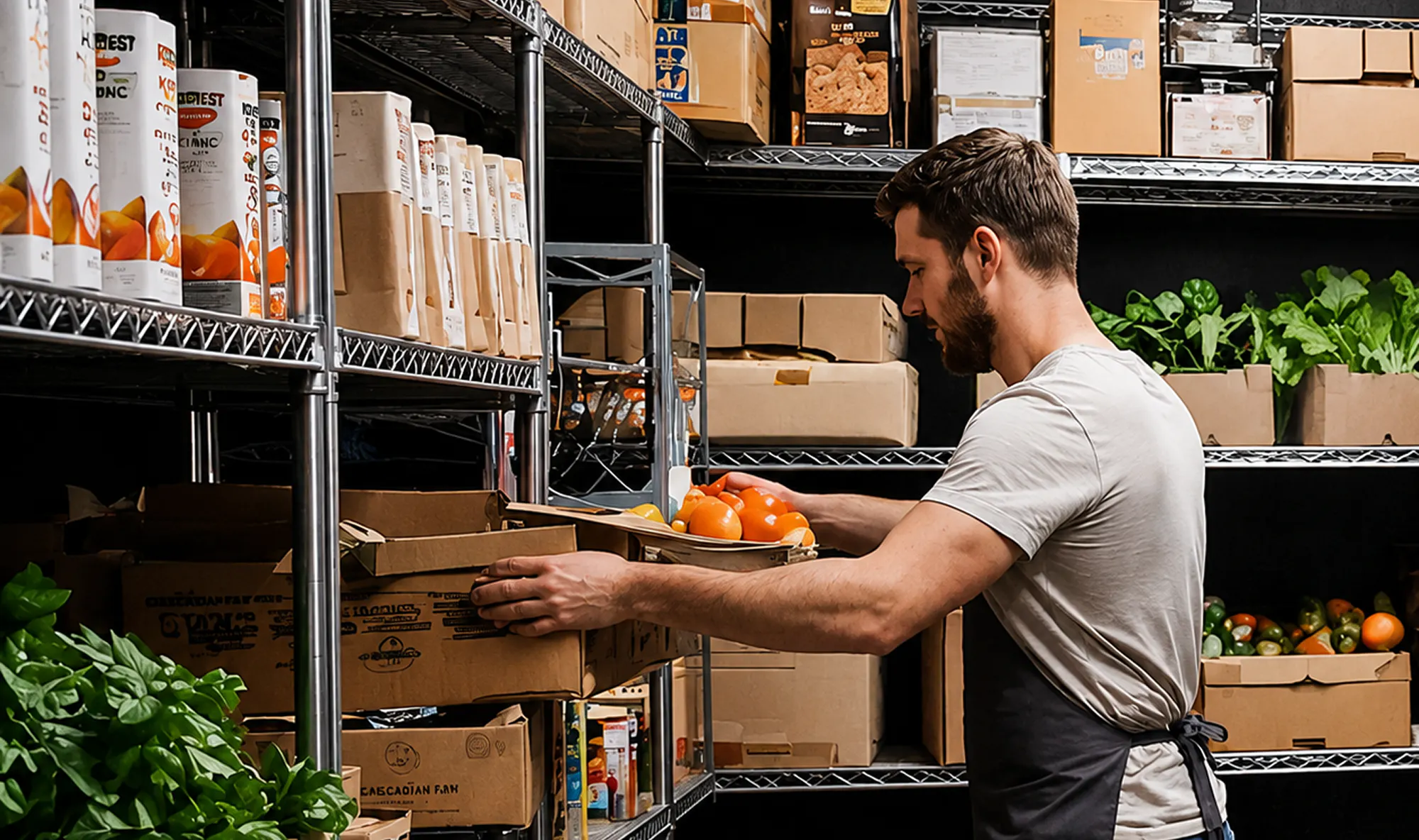
Over-ordering is the root cause of most spoilage and overproduction. Wrong pack sizes force you to buy 10 lbs when you need 3. Infrequent deliveries mean two-day perishables sit five days before they're touched. No amount of FIFO discipline fixes a walk-in that's overstocked from the start.
Set pars on real data
Use two weeks of actual sales data, not gut feel, for demand forecasting. Review and adjust weekly, especially around seasonal menu shifts or holidays. Consistent par management is the single most important discipline in waste reduction. It's also the foundation of any serious inventory management approach.
Negotiate your delivery cadence
Most broadline distributors will accommodate a mid-week fill-in delivery if you ask. A Tuesday top-off of fresh greens prevents the Friday spoilage you've been logging. Call your rep. It's a five-minute conversation.
Right-size your pack sizes
Ask your distributor rep about smaller case sizes on low-volume ingredients. Paying a slightly higher unit cost often beats throwing out half a case every week. The math usually favors the smaller pack once you account for shrink.
Source local for freshness extension
A local produce vendor for mid-week top-offs keeps perishables fresher and reduces the volume that must be consumed before spoilage hits. For many independents, this single change cuts produce waste by a meaningful amount within the first few weeks of consistent ordering.
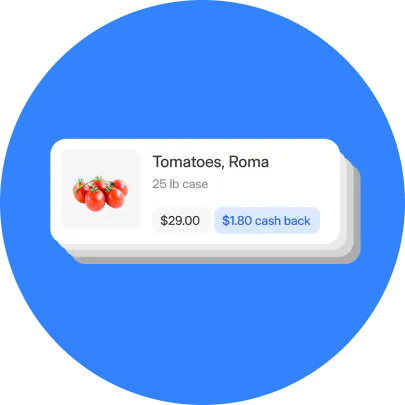
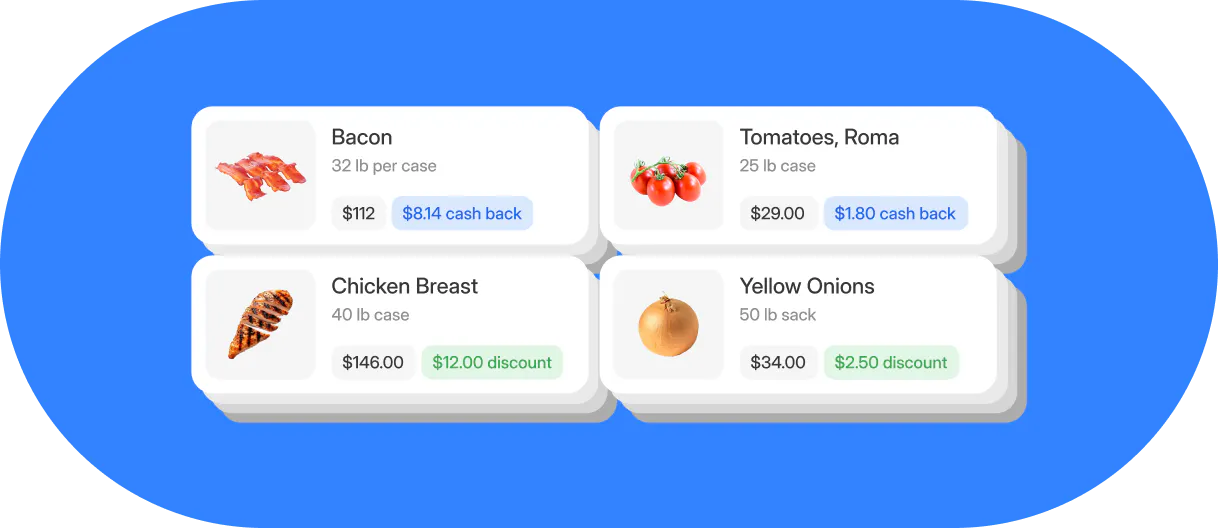
Otter's Inventory Savings connects your existing food distributors and unlocks discounts and cash back on the orders you're already placing, with no new ordering workflow and no double-entry. As your ordering becomes more disciplined and your volume stabilizes, those lower unit costs compound. Savings typically build over roughly 90 days as the first payout takes effect.
Inventory visibility helps prevent waste from the other direction too. Christina Hong, owner of Seoulmates in
Los Angeles, relies on Otter's Go App to catch ingredient stockouts before they turn into rushed substitutions and last-minute overproduction: "One of the things very useful as the business owner, especially when I'm not here, is that my staff can 86 menu items if we run out of an ingredient. Through the Otter Go app, it gives me a notification and lets me know that something went unavailable, so I can check in and see why." That kind of real-time visibility complements the manual systems above. It doesn't replace them.
Prep discipline and kitchen habits that stop waste at the source
FIFO discipline
First-in, first-out (FIFO) is non-negotiable. Every container gets a date label at receiving or prep. Older stock moves to the front of the shelf. Without FIFO, newer deliveries get used first and older items silently expire in the back of the walk-in. Make it a condition of employment, not a suggestion.
Portion control tools
Standard scoops, portion scales, and plating specs posted at the station eliminate the variance that inflates food cost. Inconsistent portion sizes are one of the most common hidden drivers of shrink.
Mise en place discipline
Prep only what you'll realistically use in the next two hours. Over-prepping "to save time" is one of the most common sources of overproduction in QSR and fast-casual kitchens.
Family meal as a waste tool
Use trim and about-to-turn items to feed staff at the end of the shift. It prevents shrink that's too small to log and builds team morale. A bowl of staff meal made from yesterday's roasted vegetables costs you nothing and keeps food scraps out of the bin.
Storage practices and proper holding
Consistent food storage practices extend shelf life. Temperature windows, container lids, and cooling protocols can extend shelf life by a full day on many items. Cooling and reheating protocols also protect against food safety violations. Waste from a failed health inspection costs far more than the food itself.
Build staff accountability without a software dashboard
The gap in most "train your staff" advice is this: you're told to educate your team but never given a repeatable system. Real staff training on waste starts with a system simple enough to put in place this week.
Physical waste tracking log by station
A clipboard with a simple three-column form: ingredient, quantity, reason. Post it at each prep station. Include date, station, ingredient name, quantity wasted, and reason (spoilage, over-prep, trim, plate return). Keep it simple enough that a line cook can fill out one line in under 30 seconds. Complexity is the enemy of compliance.
Daily waste dollar tally
Convert the log to a dollar figure at close and write it on a whiteboard in the walk-in or above the dish pit where the whole team sees it. Visibility changes behavior faster than any training session.
Shift-end waste review
Five minutes as part of your existing line-check. What got wasted today? Why? What changes tomorrow?
Address ghost waste directly
Items thrown away but never logged are the silent killer of any waste program. Make the log frictionless and make it clear that unlogged waste is a disciplinary issue, not just a mistake.
Team incentives
A small weekly bonus or recognition tied to hitting a food cost target costs less than the waste you prevented. A $20 team lunch when you beat the weekly goal is a bargain.
Food donation: what's legal, what's practical, and what to expect
The Bill Emerson Good Samaritan Food Donation Act provides federal liability protection to restaurants that donate food in good faith, a point the USDA confirms in its own food loss and waste guidance. You are not exposed to lawsuits for properly prepared, safe food donated to a nonprofit. That removes the legal barrier most operators assume exists.
Finding a donation partner
Use Feeding America's agency locator at feedingamerica.org. Call ahead. Most food banks (and the grocery stores that often supply them) run structured donation programs with their own minimum volume and frequency requirements, and not all accept hot or prepared foods. Every pound routed to a food bank instead of a dumpster is a pound that goes toward fighting food insecurity in your community, and it supports food security work well beyond your own four walls.
What to expect logistically
- Most banks need 24-hour notice.
- Food must be in clean, sealed containers.
- A consistent schedule (every Tuesday and Friday, for example) is preferred over sporadic large drops.
Tax benefits for donated food
Both C-corporations and pass-through entities (sole proprietorships, partnerships, and S-corps, which cover most independents) qualify for the enhanced federal deduction on donated food inventory, capped at 15% of the relevant business income. The exact calculation differs by entity type, so verify the details with your accountant.
For one-off surplus
Apps like 412 Food Rescue and local mutual-aid networks coordinate pickups in many US cities with lower commitment than a food bank partnership. Scraps and trim that aren't fit for human donation, think fryer oil or produce past the point of safe eating, can sometimes go to a local farm as animal feed instead of the dumpster. A quick call to nearby farms or a compost hauler will tell you what they'll take.
Donation works best for batch-cooked items (soups, grains, protein) and sealed packaged goods. It is not a solution for partially eaten dishes or anything that has passed through an unsafe temperature window. Reducing organic waste through donation also directly reduces your operation's environmental impact, keeping food out of landfills where it would otherwise generate methane.
The cheapest gram of food waste is the one you never ordered
Every tactic here (menu engineering, accurate pars, prep discipline, waste tracking logs, donation, composting) operates upstream of the problem. The operators with the lowest waste rates have built habits and systems that prevent waste before product ever enters the walk-in.
Composting and donation are valuable downstream safety nets, not substitutes for ordering right. If you're ready to explore composting and restaurant recycling programs, many US municipalities now offer commercial organics hauling programs at lower cost than general waste contracts. Check your city's website before signing a new hauler agreement. Diverting organic waste this way also reduces your greenhouse gas emissions and overall environmental impact.
Start with the audit. Map your menu overlaps. Run the waste tracking log for one week. Call your distributor rep about mid-week deliveries and smaller pack sizes. None of that requires a subscription.
When you're ready to lower the unit cost of the food you're already ordering, book a personalized demo with Otter to see how Inventory Savings fits your distributor setup.
Frequently asked questions about restaurant food waste solutions
What is the most common cause of food waste in restaurants?
Over-ordering is the leading cause. When pack sizes are too large or deliveries are infrequent, perishables spoil before they can be used. Over-prepping for demand that doesn't materialize is a close second, especially in QSR and fast-casual kitchens where production runs ahead of actual orders.
How do I track food waste without buying software?
Use a physical waste tracking log: a clipboard with a simple three-column form (ingredient, quantity, reason) posted at each prep station. At close, convert the log to a dollar value and write it on a whiteboard where your whole team can see it. Run this for one week before making any changes, so you have a real baseline.
What should a restaurant food waste log include?
At minimum: date, station, ingredient name, quantity wasted (weight or unit count), and reason (spoilage, over-prep, trim, plate return). Keep it simple enough that a line cook can fill out one line in under 30 seconds.
Does the Good Samaritan Act protect restaurants that donate food?
Yes. The Bill Emerson Good Samaritan Food Donation Act provides federal liability protection to restaurants that donate food in good faith. Contact your local food bank for their specific intake requirements.
How does FIFO reduce food waste in a restaurant?
First-in, first-out (FIFO) ensures older stock is used before newer stock by rotating it to the front of shelves and coolers. Every container should be labeled with a date at receiving or prep. Without FIFO, newer deliveries get used first and older items silently expire in the back of the walk-in.
How much does food waste cost the average independent restaurant?
Industry estimates place the figure at 4 to 10% of food purchased, before any of it reaches a customer. On a restaurant with $150,000 in annual food purchases, that's $6,000 to $15,000 in losses per year. Most operators underestimate the number because waste accumulates in small, invisible amounts across every shift.
What is menu cross-utilization and how does it reduce waste?
Menu cross-utilization means engineering your menu so every ingredient appears in multiple dishes, ideally at least three. When an ingredient has multiple uses, a slow sales day on one dish doesn't strand it in the walk-in. It's an upstream fix that costs nothing to implement at menu-design time.
Can changing my ordering frequency actually reduce food waste?
Significantly. Ordering smaller quantities more frequently keeps perishables fresher and reduces the volume that must be consumed before spoilage hits. Negotiating a mid-week fill-in delivery with your produce or protein vendor is one of the most cost-effective waste reduction moves available to you as an independent operator.

Get cash back on food you already order