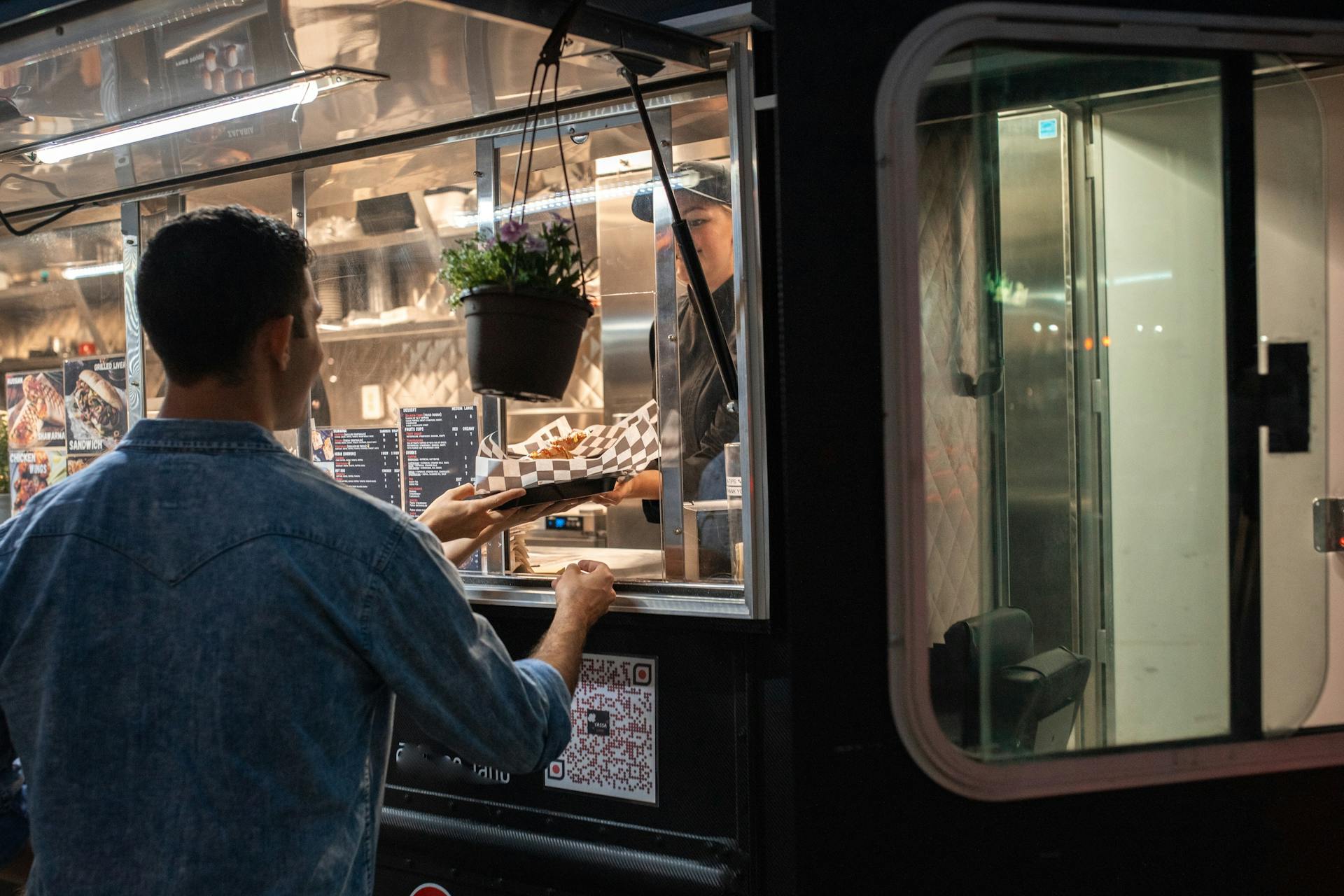
Most food truck idea lists are really lists of foods somebody likes. That is a different question from which concepts survive a slow Tuesday in a parking lot.
The menu decision is the profit decision, and you make it before you buy anything. Your concept fixes your food cost percentage, your ticket time, your equipment bill, and your ceiling on price, and those numbers decide whether the truck works. This guide runs through 33 food truck ideas grouped by the economics behind them, flags the concepts that look great and cost too much to run, and covers how to pressure-test an idea before you commit to a build.
Key insights
- The most profitable food truck concepts share a pattern: a cheap base ingredient, a fast assembly step, and a topping bar that lets one prep list produce a dozen menu items.
- Ticket time matters as much as food cost. A truck that serves 90 people in a lunch hour beats a truck with better margins that serves 40.
- The best-selling item and the most profitable item are rarely the same one, so a working menu pairs a familiar handheld that brings people to the window with a cheap, fast add-on that rides along on the ticket.
- The concepts to be most careful with are the ones with expensive, perishable, temperature-sensitive proteins, because a slow day costs you inventory as well as sales.
What makes a food truck idea profitable
Before the list, the filter. Run any concept you are considering through these five tests, because they explain why the ideas further down rank where they do.
- Food cost percentage. What share of the menu price goes on ingredients. Concepts built on grains, dough, potatoes, and beans start with an advantage that no amount of marketing overcomes on a protein-heavy menu.
- Ticket time. How long from order to handoff. A truck is capacity-limited by a service window, not by seats, so every second you shave converts directly into revenue during the only two hours that matter.
- Ingredient overlap. How many menu items you can build from one prep list. High overlap means less waste, faster prep, fewer 86s, and a smaller cold storage footprint.
- Hold and travel tolerance. Whether the food survives ten minutes in a container while the customer walks back to an office. Anything that goes soggy, separates, or wilts loses you repeat business you never find out about.
- Price ceiling. What people will actually pay from a window. Some foods carry a premium price in a dining room and simply will not sell for that from a truck, no matter how good they are.
Food truck ideas compared on food cost, speed, and startup burden
A food truck is a counter-service operation, and counter service typically runs a food cost of 25% to 30%. That is the number your concept has to clear. Where a concept lands against it comes down to the four practical variables below, which is what this table compares.
Concept | Food cost | Ticket time | Equipment cost | Seasonal risk |
|---|---|---|---|---|
Barbecue | Low | Very fast | High | Low |
Burgers | Low | Fast | Low | Low |
Fried chicken and wings | Medium | Fast | Low | Low |
Pizza | Very low | Slow | High | Low |
Tacos | Low | Very fast | Low | Low |
Thai food | Low | Fast | Medium | Low |
Loaded fries | Very low | Fast | Low | Low |
Indian food | Very low | Very fast | Medium | Low |
Grilled cheese | Low | Very fast | Low | Low |
Breakfast | Low | Fast | Low | Low |
Specialty coffee | Very low | Fast | High | Low |
Ice cream and soft serve | Low | Very fast | High | High |
Shaved ice | Very low | Very fast | Low | High |
Donuts and churros | Very low | Fast | Medium | Low |
These ratings are relative to each other, not absolute figures. Ingredient prices, equipment prices, and what customers will pay all move enough by market and by season that a published dollar number would be wrong for most readers by the time they read it. Cost your own menu against your own suppliers before you trust any of it.

Best-selling food truck items are not always the most profitable
These two questions get asked as though they were one question. They are not, and the gap between them is where most menu mistakes live.
The items that sell the most
Burgers, tacos, loaded fries, and barbecue appear on more trucks than anything else, and they sell in volume because people recognize them from ten feet away and can eat them standing up. That familiarity is the whole point: novelty is what gets somebody to walk over, and recognition is what they actually order once they are at the window. The trade is that these are also the most crowded categories in every lot you will ever work.
The items that earn the most per dollar of ingredients
Coffee, shaved ice, lemonade, soft serve, and fried dough carry the lowest food cost of anything on this list. What they do not carry is ticket value. Nobody builds a lunch around a snow cone, so a truck selling only high-margin items ends up serving a great many small orders to hit the same day's total.
Pair a volume driver with a margin driver
The menu that works is usually one of each: a familiar handheld that brings people to the window, and a cheap, fast add-on that rides along on the ticket. A taco truck selling aguas frescas earns more per customer than the same truck selling bottled soda, at a lower cost to itself. Work out which of your items is doing which job before you cut anything, because the item with the worst margin on the sheet may be the one bringing people over in the first place. Otter's rundown of digital tools that lift food truck profit covers the reporting side of that.
The most profitable food truck ideas
These eleven score well on most of the five tests at once, which is why they turn up on nearly every profitable-truck list. The reasoning matters more than the ranking.
1. Barbecue
Tough, inexpensive cuts turned valuable by time rather than money. You buy brisket, pork shoulder, and ribs cheap, cook them overnight, and sell them at a premium because the labor is already spent before service starts. Ticket time is close to zero since everything is cooked and holding. The catch is the smoker, the overnight schedule, and the fact that unsold barbecue is a real loss.
2. Burgers
The most reliable margin on this list, and the most competitive. Ground beef, a bun, and a handful of toppings produce an entire menu, and premium toppings carry price increases customers accept without complaint. Fast to cook, easy to hold ingredients, and almost universally wanted. Your differentiation has to come from the build, not the category.
3. Fried chicken and wings
Chicken is the cheapest protein you can reasonably put a premium price on, and a single fryer does the work. Wings, tenders, and sandwiches all come off the same station and the same marinade, so one prep list runs the whole menu. Bone-in wings price well above what the chicken costs, tenders bring in families, and a chicken sandwich competes directly with burgers at a better food cost. Hold time is the weak point, since fried chicken is at its best within a few minutes of coming out of the oil. This concept rewards cooking to order and punishes optimistic batching.
4. Pizza
Dough, sauce, and cheese are among the cheapest inputs in food service, and a pizza carries a price far above its ingredient cost. Wood-fired and deck-oven trucks also give you a visible cooking spectacle, which sells on its own at events. Oven cost and cook time are the constraints, so this concept works best where people are willing to wait a few minutes.
5. Tacos
Small portions, cheap bases, and endless variation from a shared prep list. One protein rotation plus a salsa and topping bar produces a menu that looks broad and preps narrow. Tacos travel well, sell in multiples, and suit almost every event type. The category is crowded, which makes your salsa program the actual product.
6. Thai food
Rice and noodles as the base, aromatics and sauce as the flavor, protein as the smallest cost line. Pad thai, curries, and noodle bowls all draw from an overlapping mise en place, and stir-fry cook times are short. Strong perceived value at a mid-range price because customers compare it to sit-down Thai rather than to street food.
7. Loaded fries and french fries
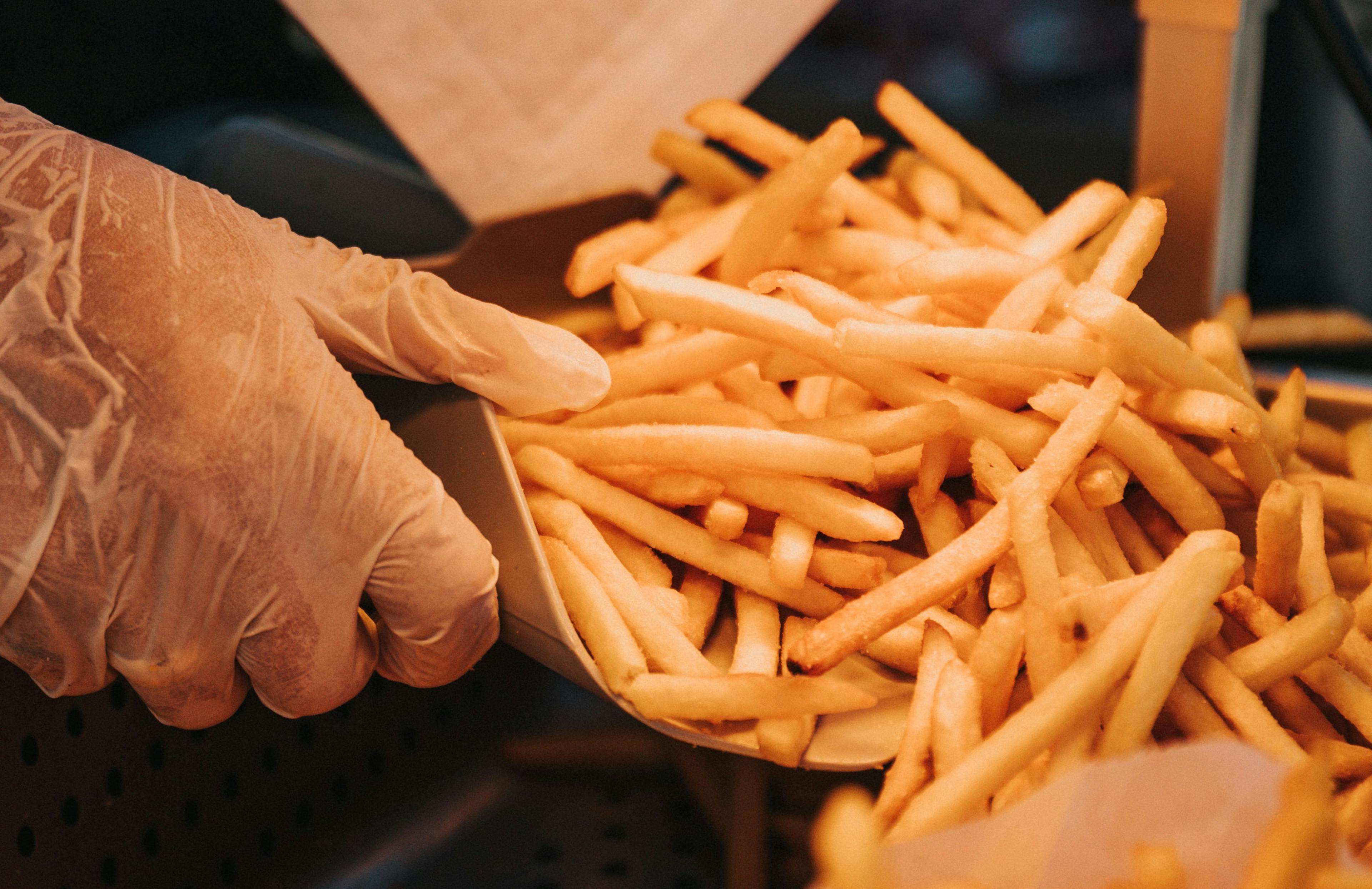
Potatoes are the cheapest center-of-plate ingredient you can build a business on, and a fryer is one of the least expensive pieces of equipment on a truck. Plain fries are a side; loaded fries are an entree with a side's food cost. A single fry base plus four topping combinations is a full menu.
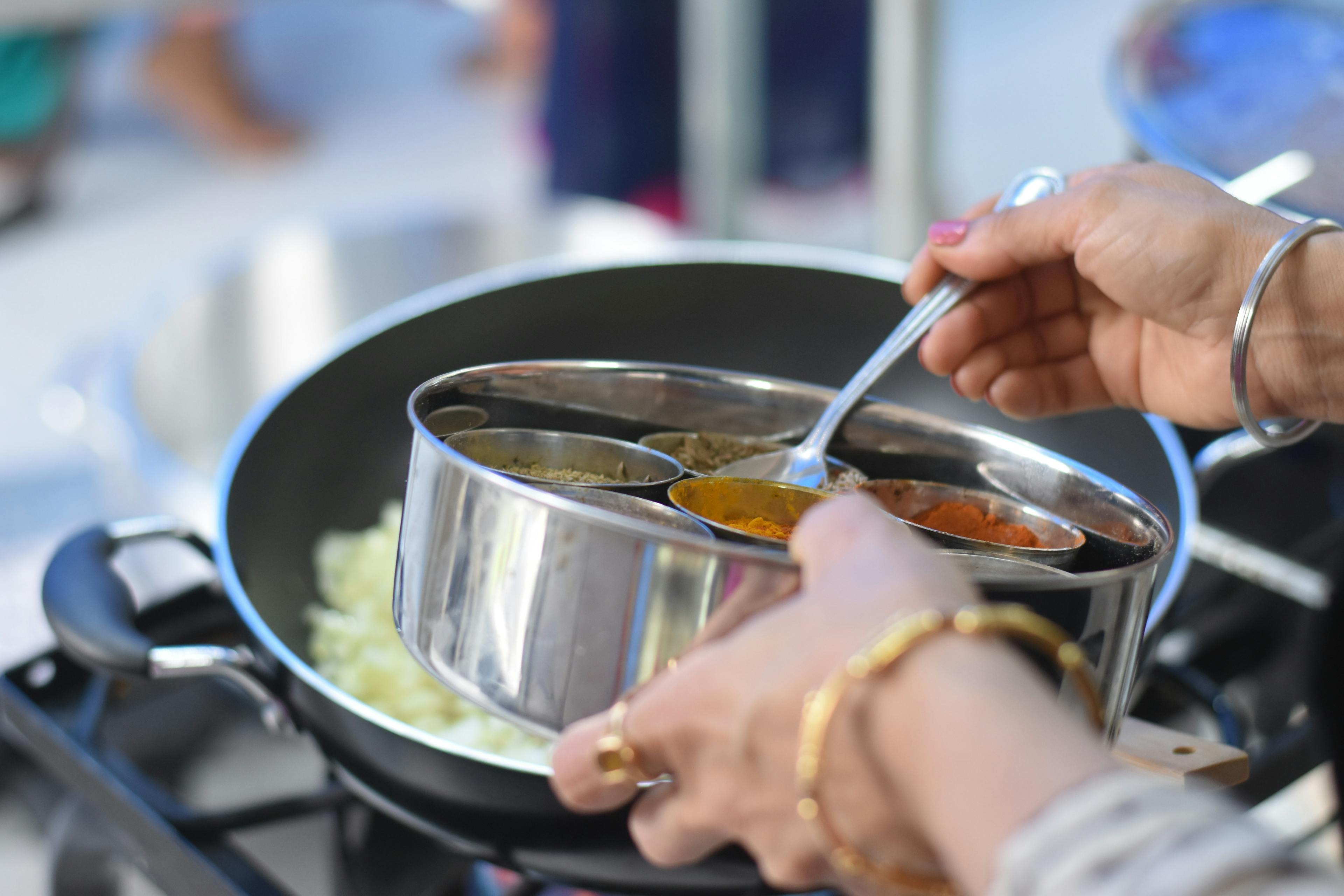
8. Indian food
Curries, dals, and rice deliver excellent margins because legumes and grains carry the plate while spices carry the flavor. Most items improve on holding rather than degrading, which suits a service window better than cooking every plate to order. Vegetarian-forward menus also open you to events where that is a booking requirement.
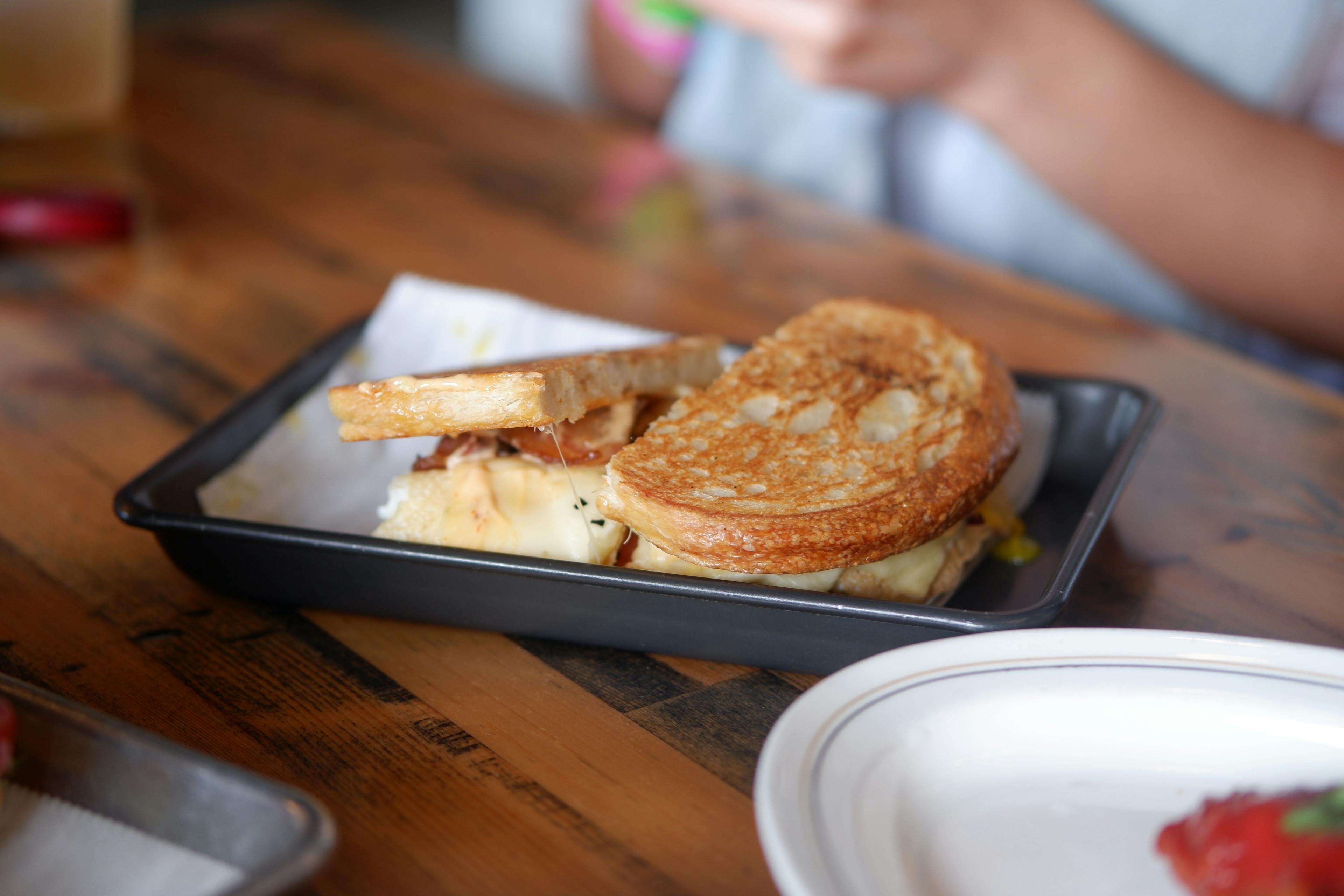
9. Grilled cheese
Bread and cheese, a griddle, and a price point people accept because the nostalgia does the selling. Ticket time is under two minutes, equipment needs are minimal, and premium versions with better cheeses and add-ins raise the price faster than they raise the cost. Pairs naturally with a soup for a second revenue line.
10. Breakfast
The daypart most trucks ignore, which is the point. Eggs, potatoes, tortillas, and bread are cheap, breakfast burritos and sandwiches assemble fast, and commuter and construction traffic is reliable and early. You are competing against far fewer trucks, and you can be finished before the lunch crowd arrives.
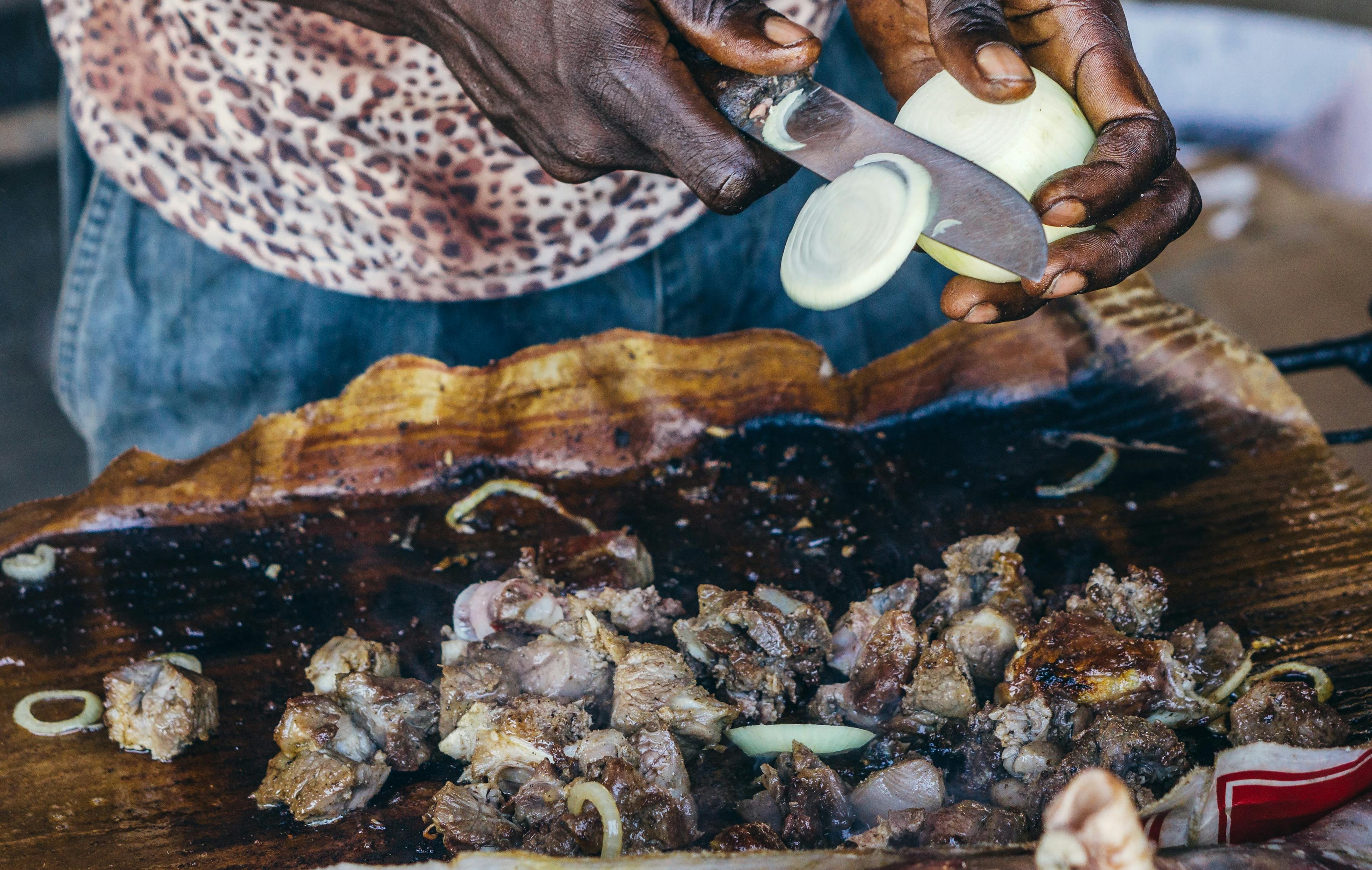
11. West African and East African food
Jollof rice, stews, and grilled meats built on rice and legume bases with strong flavor and low ingredient cost. Under-served in most American markets, which means less direct competition and a genuine reason for people to seek you out rather than choosing you because you were the nearest window.
High-margin food truck ideas built on one cheap base
The pattern behind the top eleven, generalized. Pick a cheap base, build a topping system on it, and let combinations create the menu.
12. Rice bowls
One rice base, three proteins, a vegetable rotation, and four sauces produce twelve menu items from a short prep list. Scales cleanly and suits office lunch traffic.
13. Noodle bowls
Same logic with noodles. Broth or sauce carries the flavor, and the base cost stays low even as the perceived value rises.
14. Loaded potatoes
Baked or smashed potatoes with the same topping bar a loaded-fries truck would run. Very low food cost, filling, and easy to hold.
15. Empanadas and arepas
Dough plus fillings made from trim and leftovers. Excellent waste economics, holds well, sells in multiples, and travels better than almost anything else on this list.
16. Waffles and crepes
A cheap batter that goes savory at lunch and sweet in the evening, which lets one truck work two dayparts without a second prep list.
17. Fish and chips
The one seafood concept whose economics genuinely work from a truck, because frozen white fish is cheap, stable, and portioned before it ever reaches you, which removes the spoilage risk that makes fresh seafood difficult. Batter and potatoes carry the plate, one fryer cooks both halves of the dish, and the price people accept for fish and chips sits well above what the fish costs. Treat it as a fryer concept rather than a seafood concept and the numbers behave.
Drink and dessert food truck ideas
The highest margins in mobile food are liquid and frozen. These work as standalone concepts and as a second window on a food truck.
18. Specialty coffee
The best margin in the industry, a fiercely loyal repeat customer, and morning traffic that no food truck competes for. Equipment cost is the barrier, not ingredients.
19. Ice cream and soft serve
Simple operation, high margin, strong event demand, and a topping bar that raises tickets. Seasonal in most markets, which has to be planned around rather than ignored. Otter's breakdown of high-profit items for ice cream and dessert shops goes deeper on which formats earn most.
20. Shaved ice and snow cones
The lowest food cost of any concept here. Ice and syrup. Heavily seasonal and weather-dependent, so it works best as a second concept or in a warm-climate market.
21. Boba and specialty tea
High margin, high perceived value, and a young customer base that treats it as a habit rather than a treat. Works well near campuses and in evening event traffic.
22. Lemonade and aguas frescas
Cheap to make, easy to serve at volume, and a natural attachment sale on any savory truck. Fresh fruit versions justify a premium price.
23. Donuts and churros
Fried dough at a fraction of its selling price, with the smell doing the marketing. Mini donuts made to order perform particularly well at events.
24. Cupcakes and baked goods
Flour, sugar, butter, and eggs at a fraction of what a decorated cupcake, a cookie, or a brownie sells for, with the whole day's production finished before service starts. Ticket time is effectively zero because you are handing over something that already exists. The catch is that baked goods are an impulse buy rather than a destination, so they perform best parked next to demand you did not have to create: office lunch traffic, markets, and events. They also pair naturally with a coffee window.
Niche and event-driven food truck ideas
Concepts that win by choosing a customer rather than a cuisine.
25. Wedding and private-event catering
Fixed-price bookings, known headcount, no slow days, and deposits paid in advance. The most predictable revenue available to a truck.
26. Late-night food
Bar-close traffic pays well and complains little. Any of the top concepts works, but portability and speed matter more than at lunch.
27. Office park lunch service
Regular routes, pre-orders, and a customer base that returns weekly. Pre-ordering lets you prep to actual demand instead of guessing.
28. Plant-based and vegan
A growing audience with limited options, and a menu built on beans, grains, and vegetables, which is where the food cost advantage lives anyway.
29. Halal-cart style
Chicken or lamb over rice with white sauce. Enormous portions at a low food cost, and one of the most efficient concepts per square foot of truck ever devised.
30. Mac and cheese
Pasta and cheese sauce as a base with a topping bar. Comfort food pricing, fast assembly, and one of the easiest concepts to run with a small crew.
31. Sliders
Portion control as a business model. Smaller units, higher price per ounce, and customers who order three varieties instead of one entree.
32. Poutine and loaded comfort food
Regional appeal but ferocious loyalty where it lands. Same potato economics as loaded fries with a higher-perceived-value name.
33. Regional specialty from an underserved cuisine
The genuine differentiator on this list. Whatever your market does not have, cooked well, will out-earn a fourth burger truck in the same lot. Look at what the trucks near you already sell before deciding.
Food truck ideas to approach with caution
These are not bad businesses. They are businesses with a narrower margin for error, and it is worth knowing that before you build a truck around one.
Fresh seafood
High ingredient cost, short shelf life, and temperature requirements that make a slow day expensive twice over. Works in coastal markets with supply relationships, and struggles elsewhere. The exception is battered frozen white fish, which behaves like a fryer concept rather than a seafood one and is covered above.
Sushi
Everything in the seafood problem plus a skilled labor requirement and food safety handling that raises your compliance burden considerably.
Steak and premium cuts
The price ceiling from a window is lower than the same cut commands on a plate, which squeezes the margin from both directions.
Full salad bars
Excellent food cost on paper, ruinous waste in practice. Prepped greens have a very short usable life and no second use.
How to test a food truck idea before you commit
Cost the menu before you buy the truck
Price every item on the concept you are considering against real supplier costs in your market, not national averages. If your food cost percentage does not work on a spreadsheet with generous assumptions, it will not work in a parking lot with real ones. Otter's guide to managing restaurant food cost covers how to calculate it properly.
Run the concept before you build it
A pop-up, a farmers market stall, or a shared kitchen night costs a fraction of a truck build and answers the only question that matters: will people in your market pay this price for this food. If you are still deciding whether a truck is the right vehicle at all, Otter's overview of how to start a food truck covers the practical setup, and its rundown of food truck trends covers where demand is moving.
Watch item-level sales, not daily totals
Most operators can tell you what the truck took yesterday and cannot tell you which three items produced it. That gap is where menu decisions go wrong. Track sales by item and by hour so you can cut what does not move and push what does, which is the difference between a menu you chose and a menu the data chose.
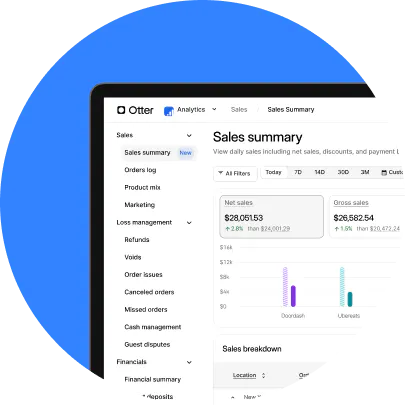
A food truck point of sale that reports at item level does this without extra work. Otter POS records every sale by item at the window, and Otter Analytics breaks the day down by product mix and peak hour rather than handing you one number.
"Another thing I love about Otter is the analytics side of it. On the back end, it is so easy to see the breakdown every single day, as well as the monthly sales, yearly sales. I'm able to compare this week to next week, see what days do better, what items are doing better. It just makes managing as a business owner so much better."
Christina Hong, owner of Seoulmates, Beverly Grove, Los Angeles

Keep the menu short enough to change
The most useful property of a food truck menu is that you can rewrite it. Start narrow, watch what sells, and let the menu evolve. Otter Menu Management pushes a change to every channel at once, so testing a new item does not mean editing four places and forgetting one. When something works, marketing it properly is what turns a good item into a queue.
Pick the concept your market is missing, not the one you like most
The trucks that struggle are usually the ones built around a food the owner loves in a lot where three others already sell it. The trucks that work tend to be built around a gap: a daypart nobody covers, a cuisine nobody offers, or a price point nobody hits.
Go stand in the lot you plan to work. Write down what the other windows are selling and what the line lengths look like at noon. Then pick from this list the concept that is both missing and cheap to run, cost the menu honestly, and start smaller than you think you need to.
When you are ready to see what the numbers look like on a real system, Otter's food truck POS is built around a service window rather than a dining room, and you can book a demo with Otter and cost out a menu before you commit to a build.
Frequently asked questions about food truck ideas
What is the most profitable food truck food?
Barbecue, burgers, fried chicken, tacos, and loaded fries consistently produce the strongest margins, because each is built on an inexpensive base ingredient that carries a price well above its cost. Drinks and desserts, particularly coffee and shaved ice, have better food cost percentages still, though they sell at lower ticket values and are more seasonal.
What sells best on a food truck?
Handheld, familiar food that travels well. Burgers, tacos, loaded fries, and sandwiches outsell more ambitious menus at almost every event type, because people order quickly from a window and want to eat standing up. Novelty draws people over; familiarity is what they actually buy.
What food trucks make the most money?
Barbecue, burger, taco, and pizza trucks tend to report the highest revenue, because they combine broad appeal with ticket values high enough to make a busy service window worth the fuel. Coffee and dessert trucks usually keep a larger share of each dollar but need more customers to reach the same daily total. Revenue also depends far more on where you park and how often you work than on which of these concepts you choose.
What food truck idea is cheapest to start?
Concepts built around a fryer, a griddle, or a drink station need the least equipment: fries, grilled cheese, coffee, shaved ice, and lemonade. Barbecue and pizza sit at the other end, since smokers and ovens are expensive and take up most of a truck. Starting with a shared kitchen or a market stall lowers the entry cost further.
Are food trucks profitable?
They can be, and the concept decides it more than the location does. A truck with a low food cost percentage, a short ticket time, and a menu built from overlapping ingredients has margin to absorb slow days. One built on expensive perishable proteins with long cook times has very little. Profitability is designed into the menu before the truck is ever bought.
Why do so many food trucks fail?
The usual causes are a menu that costs too much to run, a location plan built on hope rather than counted foot traffic, and underestimating the fixed costs that continue on days the truck does not open: payments, insurance, permits, commissary rent, and maintenance. Concept choice sits upstream of most of it. A truck with a low food cost and a short ticket time can survive a bad month; one built on expensive perishable inventory usually cannot.
What are the most popular food truck ideas?
Burgers, tacos, barbecue, pizza, and coffee are the most common concepts in most American markets, which is exactly why they are the hardest to differentiate in. The most successful new trucks usually pick something adjacent: an under-served cuisine, an ignored daypart like breakfast, or a familiar food with a distinctive build.
How many items should a food truck menu have?
Fewer than most new operators expect. Six to ten items is a workable range, and the best menus hit it by combining a small prep list in different ways rather than by cooking ten unrelated things. A short menu preps faster, wastes less, serves quicker, and is far easier to change when you learn what sells.
What food truck ideas should I avoid?
Not avoid exactly, but approach carefully: fresh seafood, sushi, steak, and full salad bars. Each combines a high ingredient cost with a short shelf life, temperature sensitivity, or a price ceiling that a service window will not support. They work for operators with the right supply relationships and market, and punish everyone else.
How do I know if my food truck idea will work in my market?
Go and look. Visit the lots, events, and streets you plan to work, note what the existing trucks sell and where the lines form, and identify the gap rather than the trend. Then test the concept cheaply, as a pop-up or a market stall, before committing to a build. What people buy in your market is the only research that counts.

Cost out your food truck menu with Otter