Table of contents
- Step 1: Conduct market research and find your niche
- Step 2: Develop your concept, brand, and design
- Step 3: Create a comprehensive business plan
- Step 4: Calculate costs and secure funding
- Step 5: Find the right location
- Step 6: Obtain licenses, permits, and insurance
- Step 7: Source equipment, technology, and suppliers
- Step 8: Hire and train your coffee shop team
- Step 9: Launch with marketing and a grand opening
- Get the basics right before you chase the extras
- Frequently asked questions about how to start a coffee shop
The US specialty coffee market was estimated at $47.8 billion in 2024 and is projected to grow at a 9.5% CAGR through 2030. That growth is exactly why the space feels crowded: more shops competing for the same regulars, on tighter margins than most first-time owners expect.
Most coffee shops cost $60,000 to $300,000 or more to open, and the difference between the ones that make it and the ones that don't usually comes down to three things: an honest budget, a location with real foot traffic, and a menu the team can execute fast during a rush. The 9 steps below walk through exactly that.
Key insights
- Total startup costs typically run $60,000-$300,000+, with build-out and equipment usually the two biggest line items, budget a $15,000-$40,000 working capital reserve on top of that before you count on being self-sustaining
- Labor and cost of goods sold (COGS) each typically run 25-35% of revenue, so a coffee shop's margin is won or lost in those two categories more than almost anywhere else
- Most coffee shops take 6-12 months from concept to opening and another 12-24 months to reach break-even, plan financing around that runway, not a faster one
- Counter space and rush-hour speed make POS choice a bigger deal than in a full-service restaurant: compact, fast-checkout hardware with offline support matters more than a long feature list
Step 1: Conduct market research and find your niche
Understand your target market
Know who you're actually building for before you pick a location or a menu: commuters grabbing a fast pour on the way to work, remote workers looking for a place to camp out, or a neighborhood crowd that wants to linger. Each wants a different layout, menu, and hours.
Analyze your local competition
Visit every coffee shop within a realistic radius. Note their pricing, their busiest hours, and what they're missing, that gap is usually a better starting point for your concept than any generic trend.
Identify your unique selling proposition
Whatever makes your shop worth choosing over the one three blocks away, specialty sourcing, a specific roast style, a faster line, a community hangout feel, needs to be obvious within your first visit, not something a customer has to be told.
Step 2: Develop your concept, brand, and design
Choose your coffee shop style and brand
Grab-and-go, sit-down cafe, drive-thru, or a hybrid, your format decision here drives almost every cost and staffing decision that follows.
Design your layout and atmosphere
Most coffee shops run 600-2,000 square feet, with roughly 40-50% of that floor space going to seating and 30-40% to service and prep. Design for your busiest hour, not your average one.
Step 3: Create a comprehensive business plan
Why you need a business plan
Beyond satisfying a lender, a real business plan forces you to pressure-test your numbers before you've spent anything, the cheapest place to catch a bad assumption.
Key components of a coffee shop business plan
Concept and menu, target market and location strategy, startup and operating cost breakdown, financial projections, and a funding plan. Most lenders and investors expect this before any other conversation.
Financial projections and break-even analysis
Model break-even against realistic daily transaction counts, not best-case ones. Most coffee shops reach break-even somewhere in a 12-24 month window.
Step 4: Calculate costs and secure funding
Startup cost breakdown
Category | Typical range |
|---|---|
Lease deposit and initial rent | $5,000 - $20,000 |
Renovation and build-out | $20,000 - $150,000+ |
Equipment | $30,000 - $80,000 |
POS and technology (upfront) | $2,000 - $5,000 |
Licenses and permits | $500 - $5,000 |
Initial inventory | $3,000 - $8,000 |
Signage and branding | $2,000 - $10,000 |
Pre-opening marketing | $2,000 - $5,000 |
Insurance (first year) | $2,000 - $5,000 |
Working capital reserve | $15,000 - $40,000 |
Total startup cost typically lands between $60,000 and $300,000 or more, driven mostly by how much renovation your space needs and how much equipment you're buying new versus used.
Typical monthly operating costs
Rent ($2,000-$10,000+), labor ($8,000-$25,000), cost of goods sold ($4,000-$12,000), utilities ($500-$1,500), technology subscriptions ($150-$400), insurance ($250-$600), marketing ($300-$1,000), and maintenance and supplies ($700-$2,000). Labor and COGS each typically run 25-35% of revenue in a healthy operation.
Funding options
Common routes: SBA loans, equipment financing for major purchases like your espresso machine and roaster, personal savings, and outside investors or partners. Equipment financing is worth a specific look since the equipment itself can serve as collateral.
Step 5: Find the right location
Location types
Standalone storefront, strip mall, downtown core, or a kiosk format, each comes with different rent, foot traffic, and buildout costs. Match the format to your concept from Step 2 rather than taking whatever space is available.
What to look for
Morning foot traffic near your target customer, visibility from the street, parking or transit access, and enough electrical and plumbing infrastructure already in place to avoid a costly buildout surprise.
Negotiating your lease
Push for a tenant improvement allowance to offset buildout costs, and get a clear read on your total occupancy cost (base rent plus common-area charges) before you sign, not just the headline rent number.
Step 6: Obtain licenses, permits, and insurance
Requirements vary by city and state, but expect a business license, a food service permit, and a health department inspection at minimum. Total licensing costs typically run $500 to $5,000 or more, plus $2,000-$5,000 for legal and professional setup fees.
Health and safety certifications
Most jurisdictions require at least one certified food handler on staff and a passed health inspection before you can open.
Insurance
General liability, property, and often workers' comp if you have employees. Plan for $3,000-$10,000 or more annually, more if you're leasing rather than owning your equipment.
Step 7: Source equipment, technology, and suppliers
Essential coffee shop equipment
Espresso machine, grinders, brewing equipment, refrigeration, and POS hardware are the core list. Equipment typically runs $30,000-$80,000 depending on how much you buy new versus refurbished.
Invest in the right POS and technology
Counter space is tighter and rush-hour speed matters more in a coffee shop than in most restaurant formats, which makes POS choice a real decision, not an afterthought. Otter POS is built for exactly that: fast order entry for high-volume service, offline mode so orders keep processing if the internet drops, and hardware sized for a smaller counter. Otter's coffee shop POS comparison is worth a look if you're comparing vendors specifically.
Otter's plans run Starter, Advanced, and Professional, with hardware bundled into the monthly price and processing rates that improve at higher tiers. See current Otter POS pricing for an exact quote, and Otter's guide to affordable POS systems for small restaurants if budget is the deciding factor for your first location.
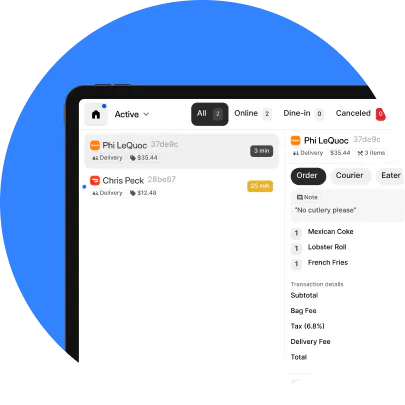
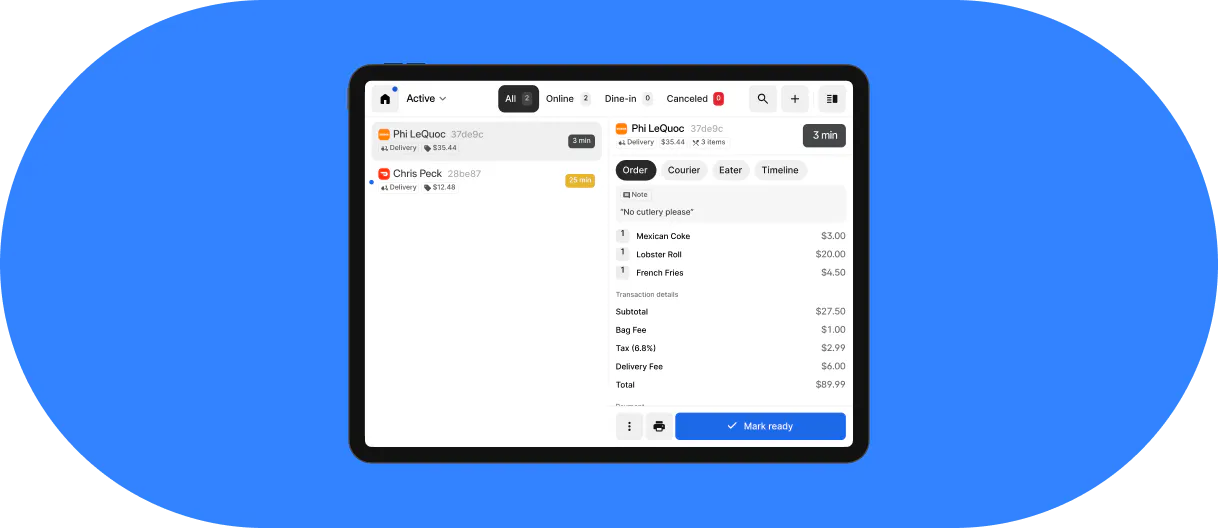
Otter Order Manager consolidates delivery and takeout orders from every platform onto a single screen instead of running a separate tablet per app, and Otter Digital Dine-In covers tableside or QR ordering if your layout includes seating.
Step 8: Hire and train your coffee shop team
Determining your staffing needs
Staff to your busiest hour, not your average one, a coffee shop's rush is short and unforgiving, and being one person short during it shows up immediately in line length.
Recruiting and hiring
Barista experience helps, but trainability and speed under pressure matter more for most shops. Wages typically land in the $12-$18/hour range plus tips, depending on market.
Training your staff
An intuitive POS shortens the learning curve for new hires significantly, which matters when a coffee shop's staff turnover tends to run higher than a full-service restaurant's. Otter Analytics tracks sales by hour, day, product, and channel, useful for spotting exactly when training gaps are costing you the most.
Building a positive workplace culture
Clear expectations, predictable scheduling, and staff management tools that support role permissions and performance tracking all help retention in a role that otherwise sees a lot of turnover industry-wide.
Step 9: Launch with marketing and a grand opening
Build your social media presence
Start posting before you open, your build-out and menu-testing process is content on its own. Otter's chalkboard and tip jar sayings roundup is a quick source of in-shop signage ideas worth having ready for opening day.
Pre-opening marketing timeline
Start building local awareness 4-6 weeks out: social media, a soft-launch date for regulars and neighbors, and outreach to any nearby offices or community groups.
Soft launch and grand opening
Run a soft launch at reduced hours before your official opening to test ticket times, drink consistency, and whether your staffing plan holds up under real volume.
Build customer loyalty
Regulars are a coffee shop's real revenue engine. Otter Loyalty helps run loyalty programs and track how promotions actually affect sales, and Otter Ratings and Reviews keeps every platform's reviews in one place so a recurring complaint gets caught early.
Ahmet Albayrak, owner of Weekends Cafe in Brooklyn, described what consolidating his ordering and reporting onto one system meant for his shop:
“Otter helped us build a scalable operation, laying the foundation to triple sales. Our team is happy, our processes are smooth and our customers can feel it.”
Get the basics right before you chase the extras
The shops that make it past year two usually aren't the ones with the most elaborate build-out, they're the ones that priced their costs honestly, picked a location with real foot traffic at their busiest hour, and built a menu and a POS setup their team could run fast under pressure. Get those right first.
Frequently asked questions about how to start a coffee shop
How much does it cost to start a coffee shop?
Total startup costs typically run $60,000 to $300,000 or more, depending mostly on how much renovation your space needs and how much equipment you buy new versus used. Add a $15,000-$40,000 working capital reserve on top.
Can a coffee shop be profitable?
Yes, though margins are tight. Labor and cost of goods sold each typically run 25-35% of revenue, so tight cost control in those two areas is usually the difference between a profitable shop and a break-even one.
What type of coffee shop is most profitable?
There's no single answer, profitability depends more on execution speed, cost control, and location than on format. Grab-and-go and drive-thru formats generally carry lower buildout costs and faster transaction times than a full sit-down cafe.
Do I need a business plan for a coffee shop?
Yes, especially if you're seeking a loan or investors. A solid plan covers your concept, target market, cost breakdown, financial projections, and funding strategy.
What licenses do I need to start a coffee shop?
Requirements vary by city and state, but expect a business license, a food service permit, and a health department inspection at minimum. Combined costs typically run $500 to $5,000 or more.
How long does it take to open a coffee shop?
Plan for 6-12 months from concept to opening, and another 12-24 months to reach break-even once you're operating.
What POS system is best for coffee shops?
Look for hardware built for tight counter space and fast checkout during a rush, with offline support so a dropped connection doesn't stop the line. Otter's coffee shop POS comparison covers Otter and other vendors side by side.
How do I find the best location for my coffee shop?
Look for morning foot traffic matching your target customer, street visibility, and existing electrical and plumbing infrastructure that avoids a costly buildout. Visit at your likely busiest hour before signing anything.
How do coffee shops handle delivery orders?
Most run delivery alongside in-store service through a consolidated order system rather than juggling a separate tablet per delivery app. Otter Order Manager pulls every channel onto one screen tied to the same POS.
Brew up your coffee shop with Otter