Table of contents
- The restaurant industry in numbers
- 1. Guests are trading down inside your restaurant, not away from it
- 2. Food quality is the value battleground, not price
- 3. Cost pressure has stopped being a cycle and started being a baseline
- 4. The menu is shifting lighter, and the shift is uneven
- 5. Pickup is quietly beating delivery on economics
- 6. Late-night has become the growth window
- 7. Technology investment has moved from novelty to plumbing
- 8. Consolidating the tech stack beats adding to it
- What is the future of restaurants beyond 2026?
- Where to start with all of this
- Frequently asked questions about restaurant industry trends
Restaurant sales are projected to reach $1.55 trillion this year, and the industry is expected to add about 100,000 jobs. Both of those numbers, from the National Restaurant Association, describe an industry that is growing. Neither describes one that is comfortable.
That gap is the story of 2026. Sales are up, real growth is thin, costs have not come back down, and guests have quietly changed how they decide whether a meal was worth it. The eight trends below are the ones with numbers behind them and with a decision attached, not the ones that make for a good headline.
Key insights
- Guests are not leaving for cheaper restaurants, they are spending less inside the restaurants they already choose, which makes menu structure a bigger lever than price positioning.
- Food quality, not price, is the most common reason guests say a meal was not worth the money, and that is more pronounced among younger diners than older ones.
- Pickup is outgrowing delivery on both frequency and basket economics, which changes where an operator should put their ordering investment.
- The technology trend that matters is consolidation rather than novelty: connecting the systems you already run beats adding another one.
The restaurant industry in numbers
You already know costs are up and guests are choosier. What follows is the scale of it, in one place, with each figure linked to where it came from. Worth a look before the trends themselves, so you can check anything that seems off against your own numbers.
Figure | Value | Period | Source |
Projected US restaurant industry sales | $1.55 trillion | 2026 | |
Projected real, inflation-adjusted growth | 1.3% | 2026 | |
Executives naming high input costs a top concern | 88% | Survey of 150 executives | |
Gen Z diners ranking food quality a top-three disappointment | 73% | Survey of ~900 consumers, Aug 2025 | |
Menu price inflation, food away from home | 3.4% | 12 months to July 2026 |
1. Guests are trading down inside your restaurant, not away from it
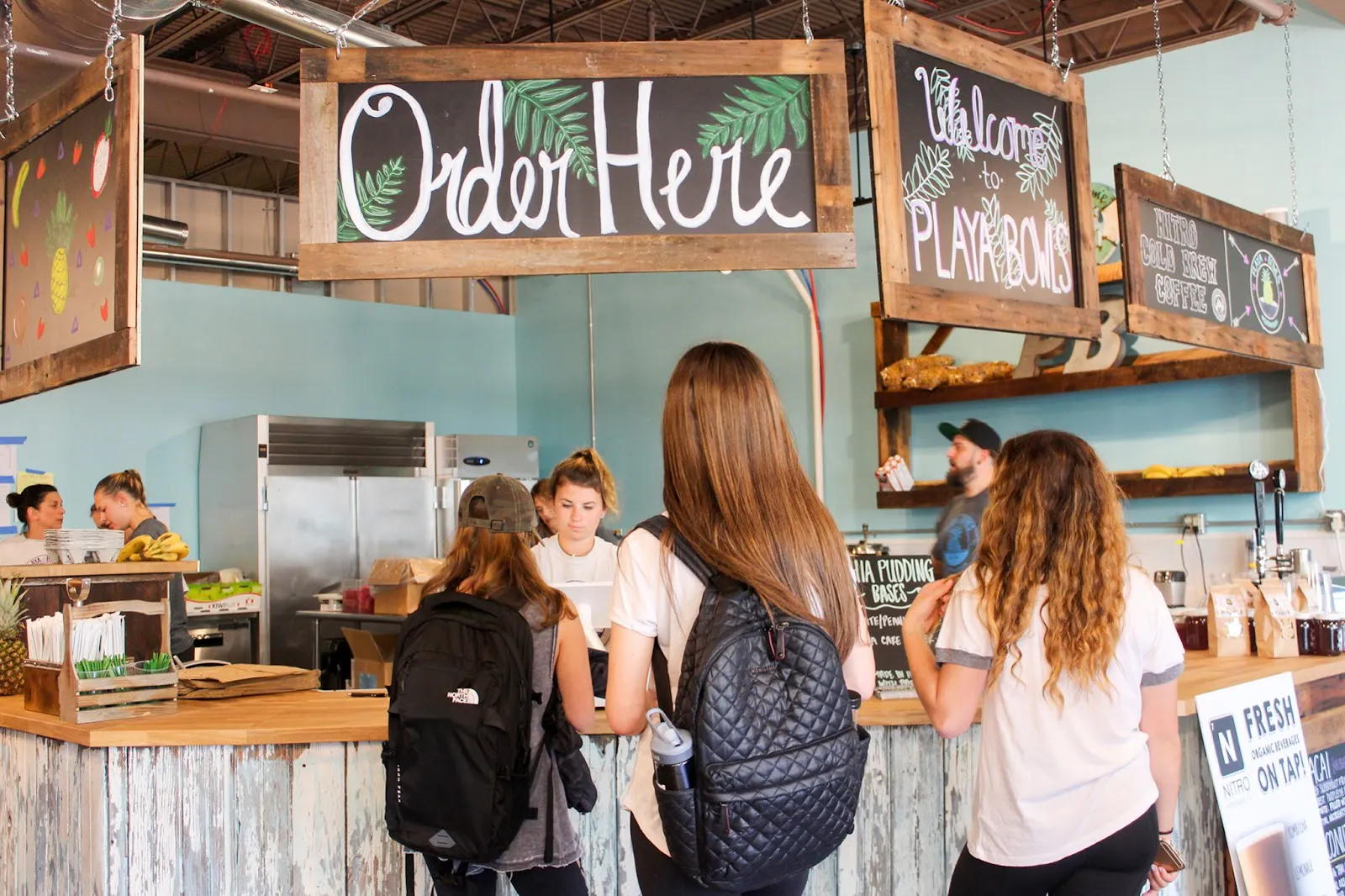
The most useful finding about consumer behaviour this year is where the cutting happens. When diners reduce restaurant spending, most stay with the restaurants they already like and spend less there, rather than switching to a cheaper competitor. Spending growth has fallen at roughly twice the rate of transaction growth, which is the statistical signature of the same people visiting and buying less.
That reframes the competitive question. You are not primarily losing guests to the place down the street, you are losing the third item off the order. The response is structural rather than promotional: make sure your menu has a genuine lower-priced entry point so a trading-down guest lands somewhere you still make money, instead of quietly removing the dessert and the second drink from a full-price order.
It also means blanket discounting is the wrong instrument. A discount applied across the menu cuts margin on guests who were going to spend anyway, which is precisely the group still showing up.
2. Food quality is the value battleground, not price
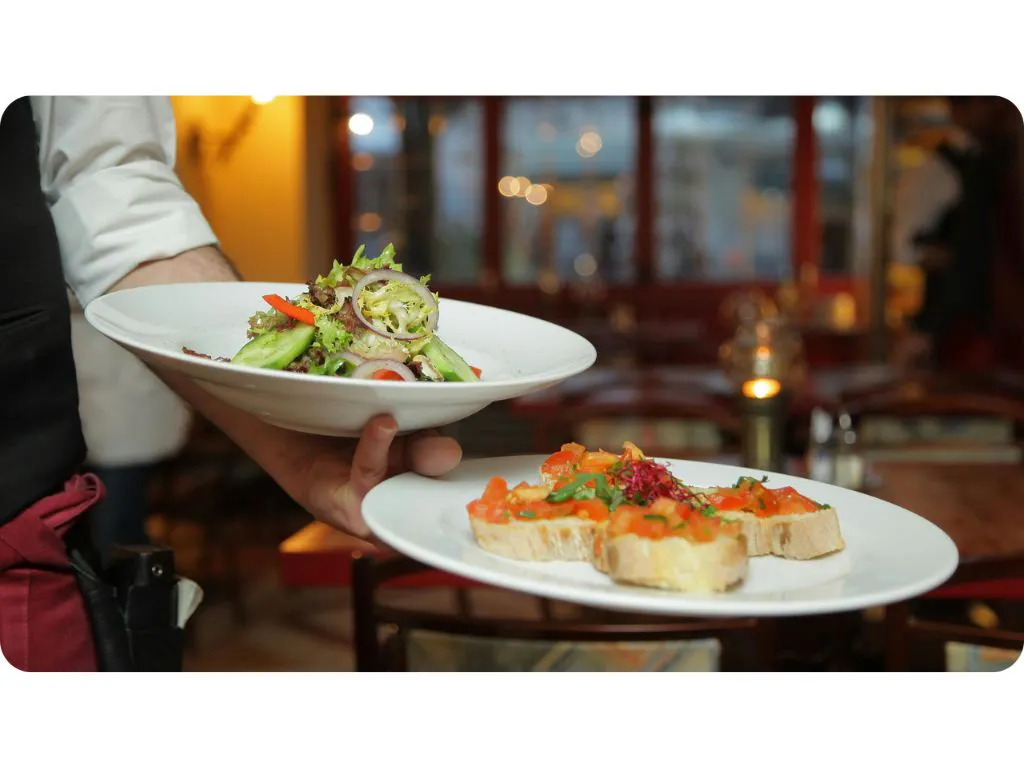
Among guests who felt a meal was not worth the money, the most common complaints were food quality and portion size rather than the price itself. Among Gen Z diners the quality point is sharper still, with 73% ranking it in their top three reasons for disappointment.
This is the most commonly misread trend in the industry. "Value" gets treated as a synonym for "cheap," so the reflex is a price promotion. The data says guests are largely willing to pay, and are judging whether what arrived justified it. A restaurant that cuts portions quietly to protect margin is attacking the exact thing its guests use to decide whether to come back.
The practical version is unglamorous: consistency work, portion discipline in both directions, and being willing to remove a dish you cannot execute well at the price you need to charge. Otter's guide to restaurant profit margins covers how to work out which dishes those are.
3. Cost pressure has stopped being a cycle and started being a baseline
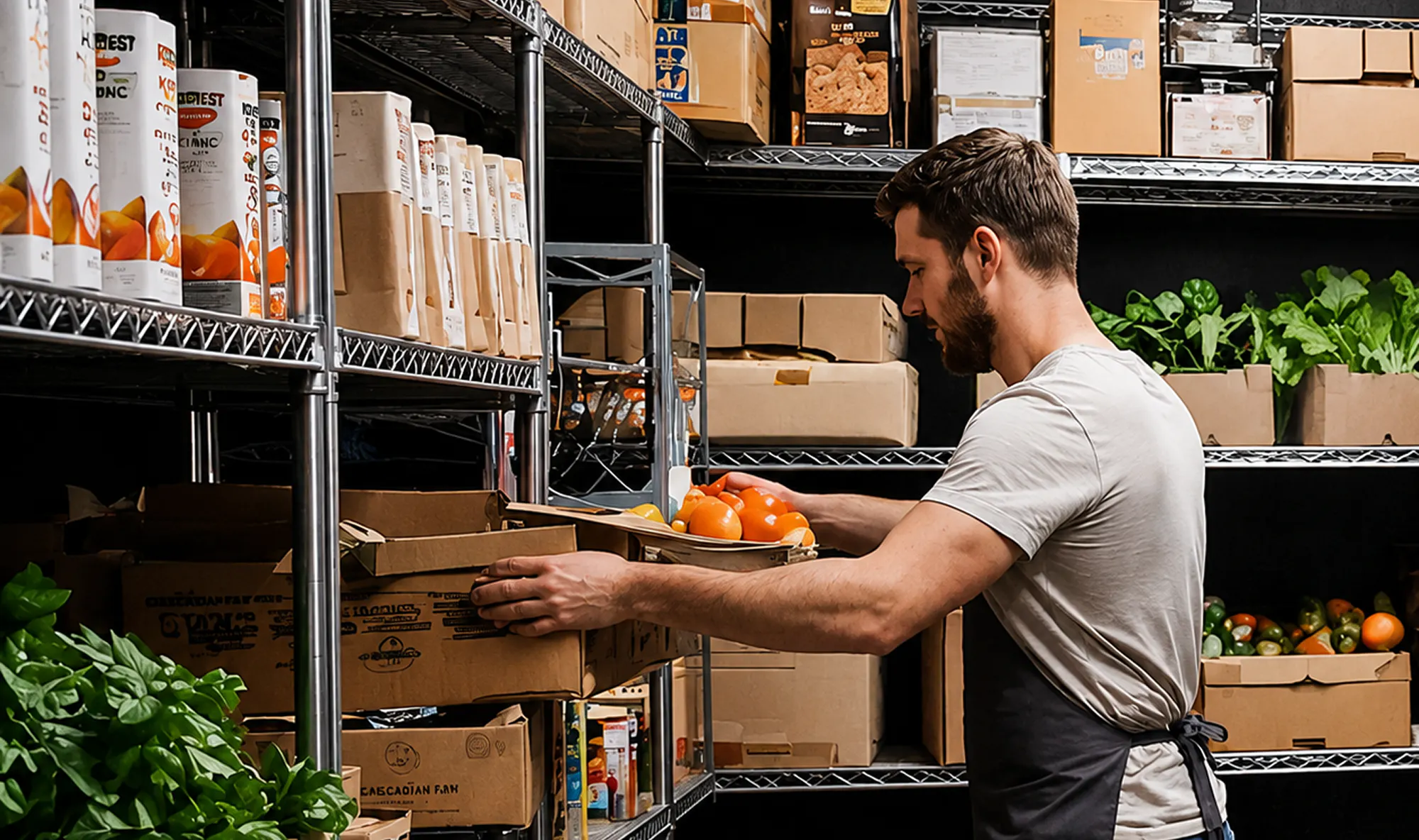
Input costs were named a top concern by 88% of the restaurant executives Deloitte surveyed, and 2024 brought the most large-chain bankruptcies in four years. Meanwhile menu price inflation has slowed to roughly the pace of grocery inflation, as the table above shows.
Those two facts together are the squeeze. Costs are elevated and staying there, while the ability to price against them is narrowing, because the gap that made eating out feel comparatively expensive has closed and diners are watching. For most of 2021 through 2024 operators could raise prices into a market where everything was rising. That cover is gone.
The trend to act on is not "costs are high," which every operator already knows. It is that the pricing lever has less travel left in it than it did, so the recoverable margin is now mostly on the cost and mix side. Otter's breakdown of what restaurant inflation does to a P&L works through where that margin actually sits.
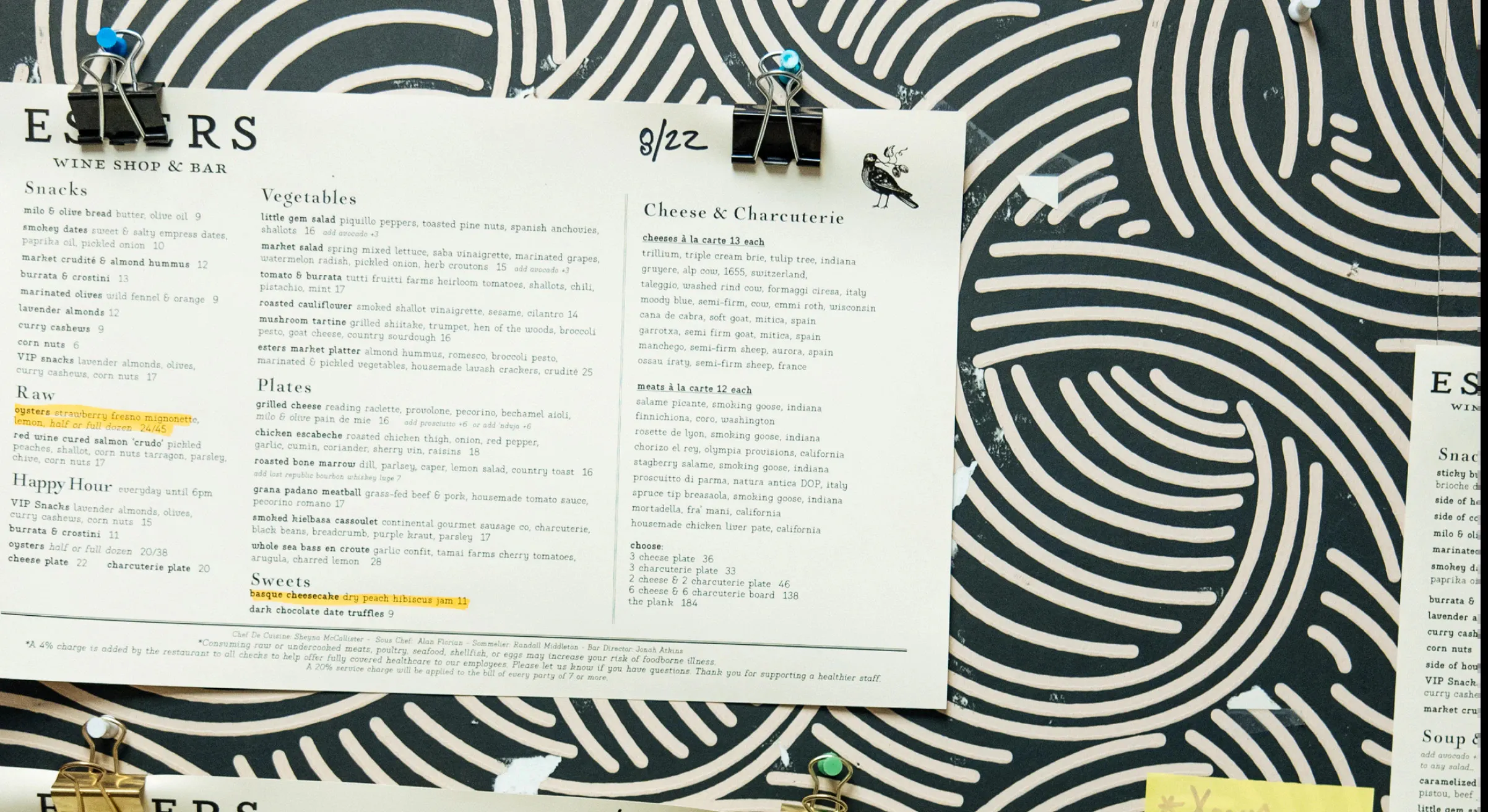
When McKinsey asked which categories consumers would cut, the answers were lopsided: 57% would reduce spending on burgers, against only 18% who would cut back on salads, with American food and seafood sitting close to the burger end. Demand is not falling evenly across a menu, it is falling hardest on the heaviest and most expensive plates.
For a menu decision this is more useful than a generic "guests want healthy options" claim. It suggests the vulnerable items are the centre-of-plate proteins carrying the highest food cost, and the resilient ones are lighter dishes with better margins. Restaurants that read this as "add a salad" will miss it. The move is to check whether your own product mix is drifting the same way, and to make sure the resilient side of the menu is priced and merchandised as carefully as the flagship dishes.
5. Pickup is quietly beating delivery on economics
Pickup order frequency grew 14%, while average delivery basket value fell 6% over the same period. Delivery is not disappearing, but the per-order economics have moved against it while pickup has strengthened.
This is a channel investment question with a clear answer for most independents. Delivery through third-party apps still buys reach, and it still costs commission on every order. Pickup ordered directly keeps the margin and is growing faster. A restaurant deciding where to put effort this year gets a better return from making direct pickup easy, visible and fast than from optimising further inside the delivery apps. Otter's rundown of third-party delivery pros and cons covers the trade-off honestly, and Otter Online Ordering is built around keeping direct orders commission-free.
6. Late-night has become the growth window
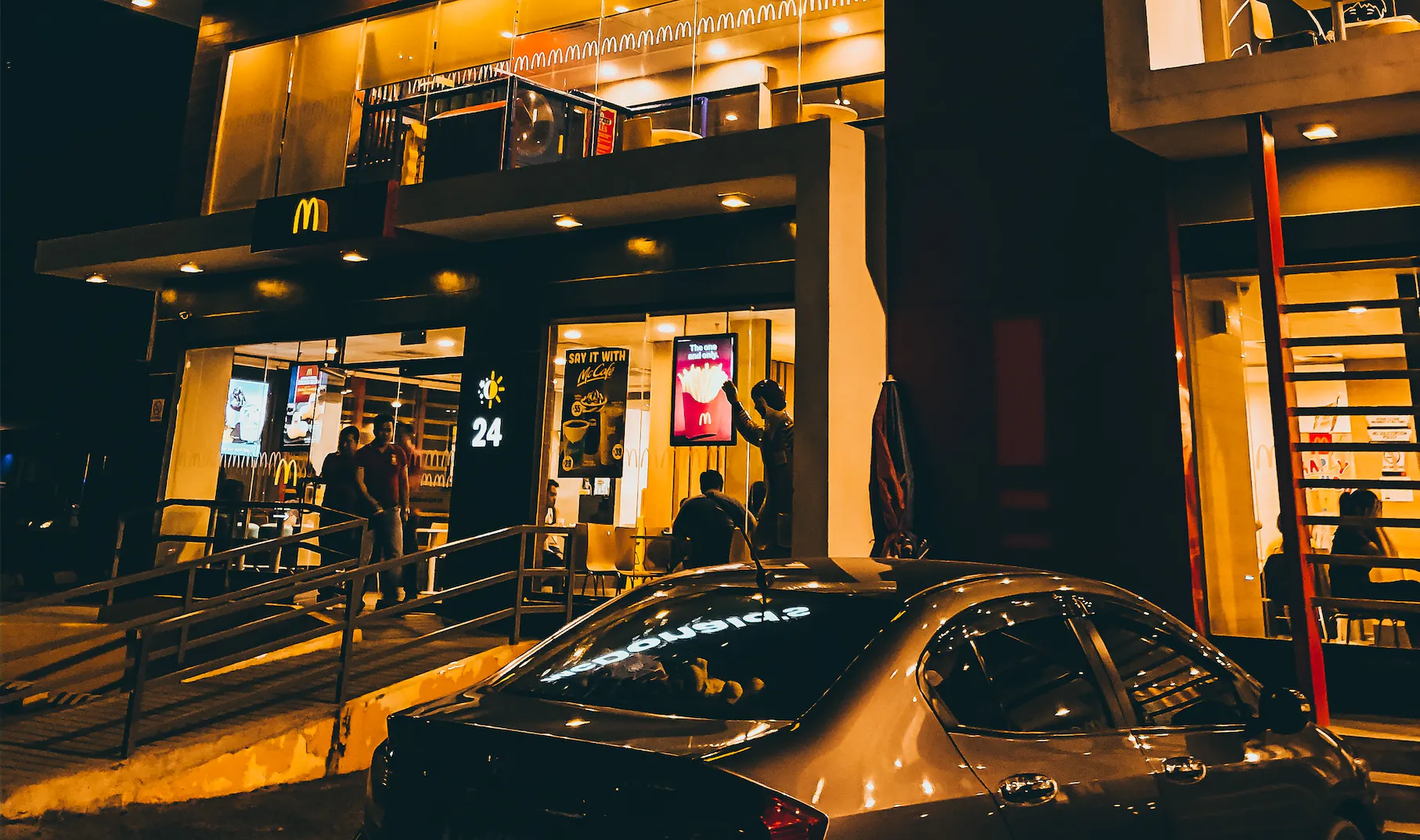
Late-night sales at limited-service restaurants have climbed more than 10% a year since 2021, making it the standout growth channel in that segment. It is also the daypart most operators have not revisited since before the pandemic.
Treat this one with more caution than the others. It is the newest trend on this list, it is concentrated in limited-service rather than full-service, and extending hours has real labour and safety costs that a growth rate does not capture. The honest version is that late-night is worth testing with a shortened menu and existing staff before it is worth committing to, and that the test should be judged on contribution margin for those hours rather than on top-line sales.
7. Technology investment has moved from novelty to plumbing
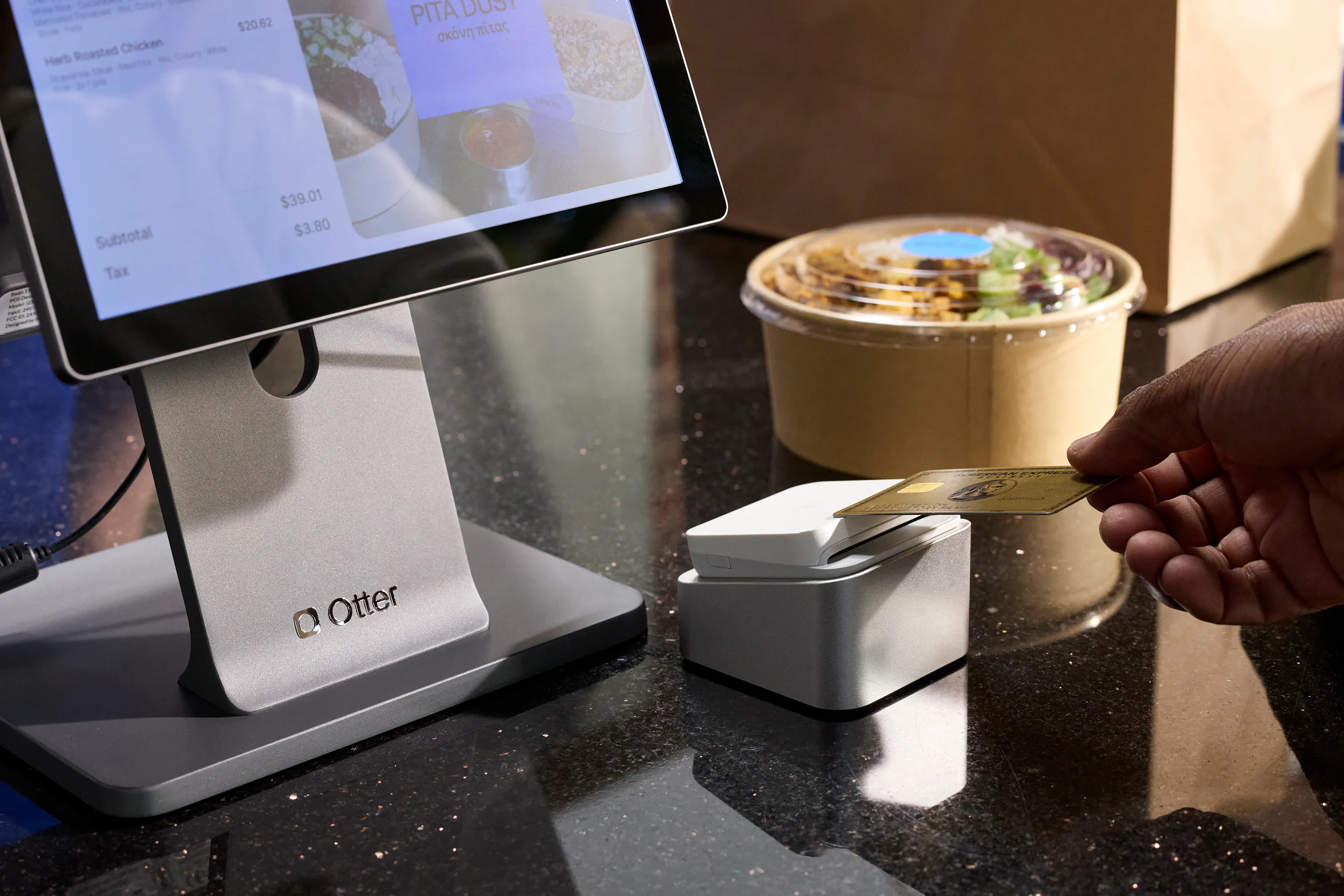
The areas where restaurant executives report increasing investment are operations, speed of service, efficiency, order accuracy and logistics. Not one of those is a feature. They are all outcomes, and that is the shift: the industry has stopped buying technology because it is new and started buying it because a specific number needs to move.
AI is inside that shift rather than separate from it. The applications getting funded are the dull ones, meaning demand forecasting, inventory ordering, scheduling against predicted covers, and automated order capture. Otter's overview of AI in restaurants covers what is actually deployed today versus what is still a demo.
Self-service ordering belongs in the same category. Kiosks stopped being a novelty and became a throughput tool, which is why they keep spreading in quick service even where labour is available. Otter's look at self-ordering kiosks covers where they pay off and where they do not, and Otter Kiosk is the version built for restaurant counters.
8. Consolidating the tech stack beats adding to it
The clearest technology trend is not any single tool, it is operators connecting the systems they already run so that ordering, menu, and sales data sit in one place instead of four. The value comes from removing the reconciliation work between systems, which is invisible on a feature list and obvious in a working week.
"With Otter, having one dashboard to be able to manage all the third-party platforms, just to have one platform to manage all of those different unique styles of other platforms, to allow them to be integrated into one system and have that same control within just one platform, it's been a tremendous help, not only for myself but also for my team members to control what's in and out of stock on the fly."
Scott, co-owner and founder, Bred Hot Chicken, Costa Mesa and San Juan Capistrano, California
That is the trend in an operator's own words, and it is why Otter Order Management and Otter POS are built around a single feed rather than a set of separate integrations. It is also what makes the reporting usable: Otter Analytics can compare channels like for like only because the orders arrive through the same system. For a wider survey of what belongs in a modern stack, Otter's guide to restaurant technology solutions is a reasonable starting point.
What is the future of restaurants beyond 2026?
The near future of restaurants looks less like a new format and more like the current one running on better information. Three shifts are already visible enough to plan around.
The first is that the menu becomes a live document rather than an annual project. As ingredient costs move faster than print cycles, the restaurants that hold margin will be the ones re-costing dishes monthly and adjusting availability by channel and daypart, which is a data and workflow problem rather than a culinary one.
The second is that the distinction between channels keeps eroding from the guest's side while staying very real on the operator's side. Guests already expect the same menu, the same prices and the same availability whether they walk in, order for pickup, or use an app. Meeting that expectation without running four systems is the actual work.
The third is that scale stops being the main advantage it has been. Group purchasing, shared kitchen infrastructure and affordable automation have narrowed the gap between what a single location and a national chain can access. The chain advantage that remains is analytical, meaning the ability to notice a change quickly and respond to it, and that is the cheapest of the three for an independent to close.
What is unlikely to change is the thing the data keeps pointing at: guests decide on whether the food was worth it. Every trend above is a way of protecting the answer to that question.
Where to start with all of this
Eight trends is more than any restaurant should act on at once. If you take three things from this: check whether your product mix is drifting the way the category data suggests, look at what your direct pickup channel is actually worth compared with your delivery channel after commissions, and count how many separate systems your team touches to change one menu item. Those three have numbers attached to them in your own business, which makes them arguable in a way that a trend list never is.
The restaurants that come out of this year in good shape will not be the ones that predicted the industry correctly. They will be the ones that noticed their own numbers moving early enough to do something about it.

Book a demo with Otter
It’s time to enhance your operations with Otter’s all-in-one restaurant platform. Book time with our sales team to learn more.
Frequently asked questions about restaurant industry trends
What are the biggest restaurant industry trends in 2026?
The trends with the most evidence behind them are guests trading down within their chosen restaurants rather than switching to cheaper ones, food quality overtaking price as the main driver of value perception, sustained input-cost pressure with less room to raise menu prices, a menu mix shifting away from heavy centre-of-plate dishes, pickup outperforming delivery on order economics, late-night growth in limited service, and technology investment moving toward connecting existing systems rather than adding new ones.
Is the restaurant industry growing?
Yes, but slowly in real terms. The National Restaurant Association projects industry sales of $1.55 trillion in 2026 with real, inflation-adjusted growth of 1.3%, and expects the industry to add around 100,000 jobs to reach total employment of 15.8 million. Headline sales growth is largely price-driven, which is why an operator can see higher revenue and thinner profit in the same year.
What is the biggest challenge facing restaurants right now?
Input costs. In Deloitte's survey of restaurant executives, 88% named high input costs a top concern, and 2024 brought 20 large chain bankruptcies, the most since 2020. The challenge is sharpened by the fact that menu price inflation has slowed to roughly the pace of grocery inflation, which leaves less room to price against rising costs than operators had between 2021 and 2024.
What is the future of restaurants?
Most likely a continuation of what is already happening rather than a new format: menus re-costed continuously instead of annually, guests expecting identical menus and prices across every ordering channel, and the operational gap between independents and chains narrowing as group purchasing and affordable automation spread. The advantage that persists for large operators is speed of response, which depends on data rather than size.
What restaurant technology trends should operators pay attention to?
The ones tied to a measurable outcome. Restaurant executives report increasing investment in operations, speed of service, efficiency, order accuracy and logistics, and the technology worth buying is whatever moves one of those. In practice that means connected ordering and reporting, self-service where throughput is the constraint, and AI applied to forecasting, inventory and scheduling rather than to anything guest-facing and novel.
Are consumers eating out less in 2026?
They are spending less rather than visiting less, which is a meaningful difference. Spending growth has declined at about twice the rate of transaction growth, and among consumers planning to cut back, nearly three quarters said they would reduce their restaurant spending by up to half. The pattern is smaller orders from the same guests, not a collapse in visits.

Adapt to what's next with Otter