Table of contents
- What is a ghost kitchen?
- Ghost kitchens, cloud kitchens, and virtual brands: what is the difference?
- How do ghost kitchens work?
- Five ghost kitchen models
- The benefits of running a ghost kitchen
- Ghost kitchen costs and challenges
- Is a ghost kitchen right for your operation?
- The technology a ghost kitchen needs
- Build the delivery operation before adding more brands
- Frequently asked questions about ghost kitchens
In the National Restaurant Association’s Q3 2026 Quarterly Consumer Insights Survey, 50% of consumers said they ordered takeout or delivery during the survey’s reference week. Serving those guests does not always require a dining room, but it does require a kitchen built to prepare, package, and hand off orders reliably.
A ghost kitchen offers one way to do that. You can launch a delivery-only concept, test another market, or use existing kitchen capacity for a second brand. The lower overhead can help, but delivery fees, food costs, staffing, and demand still determine whether the operation makes money.
Key insights
- A ghost kitchen prepares food for delivery or pickup without dine-in service; a virtual brand is the name and menu guests order from
- Standalone spaces, shared facilities, existing restaurants, commissary rentals, and chain outposts offer different levels of cost and control
- Lower dining-room and front-of-house expenses do not guarantee profit: packaging, labor, delivery fees, and order volume still matter
- A delivery-ready menu, clear pickup process, coordinated order management, and direct ordering channel can make the model easier to operate
What is a ghost kitchen?
A ghost kitchen is a commercial kitchen that prepares food for delivery or pickup without a dine-in area. Guests order through delivery apps or a restaurant’s own ordering channel, and the kitchen prepares and packages the food for handoff.
It is sometimes called a dark kitchen, ghost restaurant, or delivery-only kitchen. The defining feature is the service model: the operation serves off-premises orders rather than guests seated in a dining room.
A ghost kitchen can support a new restaurant concept or extend an established brand into another delivery area. Its location still matters, even without walk-in traffic. You need enough nearby demand and a pickup setup that lets drivers collect food without disrupting preparation.
Ghost kitchens, cloud kitchens, and virtual brands: what is the difference?
These terms overlap, and providers do not always use them consistently. Check what you are renting or operating rather than relying on the label.
- Ghost kitchen or dark kitchen: A delivery-focused kitchen operation without dine-in service
- Cloud kitchen: Often used for a delivery-only kitchen or a shared facility that houses several operators; confirm the space, equipment, and services included
- Virtual restaurant or virtual brand: A distinct online food concept with its own name and menu, prepared in an existing restaurant or delivery-focused kitchen
- Commissary kitchen: Shared commercial preparation space rented by independent operators, including caterers, food trucks, and some delivery-only concepts
One kitchen can prepare food for several virtual brands. A restaurant with dine-in service can also add a virtual brand without turning its entire operation into a ghost kitchen.
Otter’s guide to virtual restaurant brands explains how to create or license a concept, check kitchen capacity, and measure its performance.
How do ghost kitchens work?
Ghost kitchens receive online orders, prepare the food, package it, and hand it to a driver or pickup guest. The work follows a short sequence, but each handoff affects order accuracy and food quality.
- Receive the order: The guest selects a menu item through a delivery app or your direct ordering channel, and the ticket reaches your kitchen
- Prepare the food: Your team cooks the order and checks any modifiers, timing requirements, or unavailable items
- Pack and check: Staff match the contents to the ticket, add the correct labels, and keep hot and cold items appropriately separated
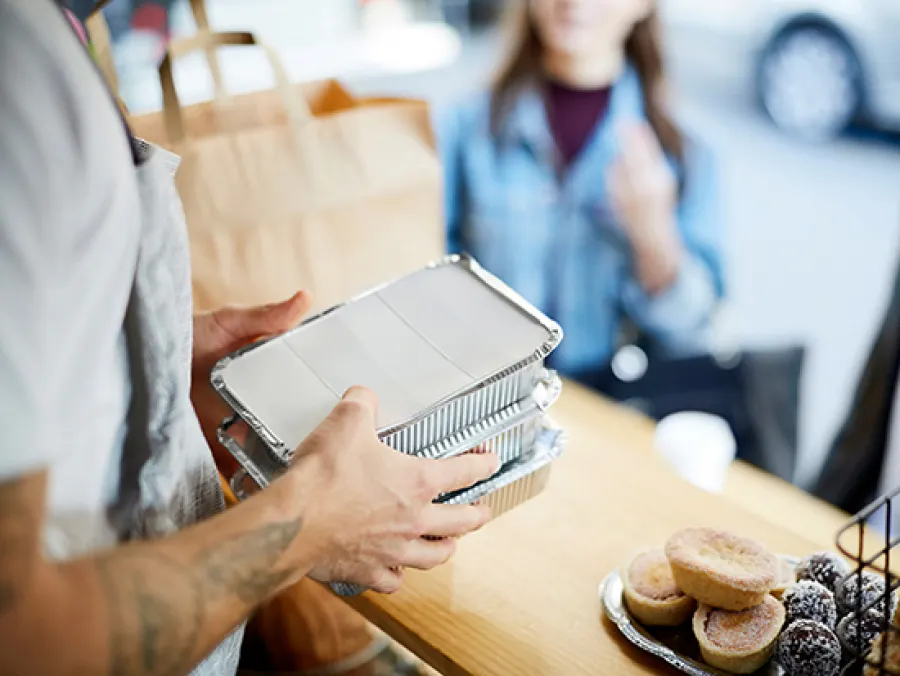
- Hand off the order: A driver or guest collects it from a designated pickup area
Give each stage a clear owner. A missing drink, an unclear pickup label, or food waiting too long can undermine the experience even when the cooking is right.
Five ghost kitchen models
The best setup depends on whether you already have a kitchen, how much control you need, and how much demand you have established.
1. Standalone ghost kitchen
You lease or own a dedicated space and build the operation around delivery. That gives you control over equipment, staffing, preparation, and pickup flow.
This can suit operators launching a delivery-only restaurant or expanding a proven concept. The trade-off is responsibility for the space, equipment, maintenance, and fixed costs, whether orders are busy or slow.
2. Shared cloud kitchen facility
A facility provider rents kitchen space to several operators. Depending on the agreement, the setup may include equipment, utilities, storage, cleaning, or a shared pickup area.
This can reduce the amount of space you need to build yourself. Compare the full agreement, including deposits, access hours, extra service charges, equipment responsibilities, and restrictions on the brands you can operate.
3. Virtual brand from an existing restaurant
An existing restaurant adds a separate online concept using its current kitchen. For example, a restaurant might prepare a delivery-only bowl menu alongside its main menu.
Shared ingredients and equipment can limit additional investment, but the new brand still adds work. Budget for labor, packaging, platform fees, marketing, and any licensing fees, and check that extra tickets will not slow your primary restaurant.
You can develop your own concept or fulfill orders for an established brand. Otter Virtual Brands offers a franchise route for adding an online-only brand to your existing kitchen. Review the program’s current fees, menu requirements, and availability before committing.
Christina Hong, owner of Seoulmates in Los Angeles, California, also runs the virtual brand Boffin Bird from the same location. She describes the benefit of coordinating both concepts through Otter:
“Another cool thing about Otter is it helps me run multiple brands.”
Christina Hong, owner, Seoulmates, Los Angeles, California
4. Commissary kitchen rental
You rent time or a station in shared commercial preparation space. This can suit smaller delivery concepts, caterers, or food truck operators testing an additional sales channel.
Before committing, check storage, booking availability, equipment access, permitted activities, and whether drivers can collect orders during your scheduled hours. A low-commitment rental is useful only if it supports the service you plan to offer.
5. Chain or franchise delivery outpost
An established brand opens a delivery-only kitchen to reach a new service area without adding another dining room. Some groups also operate separate virtual concepts alongside their existing brand.
Brand recognition and operating standards can provide a starting point. Location-level demand, staffing, delivery quality, and any franchise requirements still need to work for the outpost.
The benefits of running a ghost kitchen
Lower dining-room overhead
A delivery-only space avoids dining-room furniture, guest seating, and the front-of-house roles associated with table service. You can devote more of the space to production and packing. Savings vary by facility and do not remove the need for trained staff, safe equipment, or maintenance.
More options for location
You may not need a high-visibility storefront, which can widen your search for suitable space. Prioritize delivery demand, driver access, utilities, and the kitchen’s ability to operate your menu over a low rent figure alone.
Room to test concepts and markets
A separate online menu can help you test demand without changing the identity of your main restaurant. Start with a manageable concept and review its contribution before adding more brands or another location.
A workflow focused on off-premises orders
A kitchen designed for delivery can organize preparation, packing, and pickup around one service channel. Clear ticket routing and a dedicated handoff area help your team manage that flow as orders increase.
Ghost kitchen costs and challenges
Understand the cost of each order
Your sales need to cover ingredients, packaging, labor, delivery or payment fees, and fixed expenses. Do not assume a menu price that works for dine-in will produce the same margin through a delivery app.
Use your actual agreement and operating costs to review each channel. For example, an illustrative $25 order with a 20% platform commission leaves $20 before food, packaging, labor, and other expenses. That remainder is not profit.
Otter’s guide to restaurant accounting and bookkeeping explains how sales, fees, and operating expenses fit into a clearer view of performance.
Build visibility without walk-in traffic
Your listing, menu photos, descriptions, reviews, and pricing do much of the work a storefront would normally do. Keep availability accurate and track whether promotions bring profitable repeat orders rather than just a temporary sales increase.
Protect food quality and the guest relationship
Choose dishes that travel well, test the packaging, and set preparation expectations your team can meet. Make it easy for guests to report a missing or incorrect item, and use that feedback to fix recurring problems.
A third-party delivery channel also gives you less control over the handoff and guest relationship. Otter’s online ordering provides a commission-free direct ordering channel alongside delivery apps. Payment processing and other applicable costs still need to be included when you compare channels.
Manage additional brands without overwhelming the kitchen
A second brand adds tickets, stock requirements, and packing decisions. Ingredient overlap can reduce purchasing and preparation complexity, but there is no single percentage that guarantees a successful setup. Review each brand’s sales, costs, and effect on service before expanding.
Is a ghost kitchen right for your operation?
The model is worth considering when you have a menu that travels well, evidence of local demand, and enough kitchen capacity to serve that demand reliably.
It may suit an existing restaurant testing a second concept, a brand expanding delivery coverage, or an operator who wants to validate demand before investing in a dining room. It is a harder fit when your concept depends on an in-person experience or when fees and delivery times leave little room for acceptable quality and margin.
For a structured way to assess demand, kitchen requirements, and financial assumptions, use Otter’s guide to writing a ghost kitchen business plan.
Before committing, answer four questions:
- Will guests in this delivery area order your food at a price that covers your costs?
- Can your team prepare and pack the menu reliably at peak volume?
- Does the kitchen agreement support your storage, access, equipment, and pickup needs?
- Can you measure performance by brand and channel instead of relying on combined sales?
The technology a ghost kitchen needs
Choose tools around the way orders reach and move through your kitchen. The goal is to reduce manual re-entry and give staff a clear view of what needs to be prepared.
- POS and order management: Keep sales and incoming tickets organized across supported ordering channels. Otter Order Manager consolidates connected delivery-platform orders so staff can manage them from one place
- Kitchen display or printed tickets: Give preparation staff clear item details, modifiers, and order timing
- Menu management: Keep prices, item availability, and operating hours aligned across supported channels. Otter Menu Management helps coordinate menu updates and 86ing
- Reporting: Review sales and fees by channel and brand, then connect those results with food, labor, and packaging costs
Otter’s overview of top restaurant technology solutions explains how these tools support different parts of your operation. Choose a setup that fits your order volume and existing systems, with a clear process for handling interruptions.
Build the delivery operation before adding more brands
A ghost kitchen can give you another route to guests, but the durable advantage comes from how you run it. Test your menu in transit, price around actual costs, organize pickup, and review whether each brand contributes enough to justify the work.
Get those basics working before increasing the number of concepts or delivery areas. Lower overhead gives you room to operate; reliable service and sustainable margins give you a reason to grow.
Book a demo with Otter to explore tools for managing your delivery operations.
Frequently asked questions about ghost kitchens
What does ghost kitchen mean?
A ghost kitchen is a commercial kitchen that prepares food for delivery or pickup without dine-in service. Guests place orders through delivery apps or a direct ordering channel. The kitchen can serve one brand or several concepts.
Is a ghost kitchen the same as a virtual restaurant?
A ghost kitchen describes the kitchen operation, while a virtual restaurant describes the online brand guests order from. A virtual brand can run from a ghost kitchen or from an existing restaurant. Several brands can share one kitchen.
What is the difference between a ghost kitchen and a cloud kitchen?
Ghost kitchen usually describes a delivery-only operation. Cloud kitchen is often used for a shared facility, although some providers use it as another name for a delivery-only kitchen. Compare the actual space, services, costs, and responsibilities rather than assuming the terms guarantee a specific setup.
How do ghost kitchens make money?
They earn revenue from food orders placed through delivery platforms or direct ordering channels. Profit depends on what remains after ingredients, labor, packaging, fees, and fixed expenses. More orders help only when their contribution and the kitchen’s capacity support sustainable service.
How much does it cost to start a ghost kitchen?
Costs depend on your location, kitchen condition, equipment, menu, and rental model. Using an existing restaurant can reduce buildout needs, while a dedicated space may require substantial investment. Include deposits, permits, equipment, technology, packaging, opening stock, and working capital in your budget.
Can a food truck or caterer operate a ghost kitchen?
A food truck operator or caterer may add delivery orders from a suitable commercial kitchen, including rented commissary space. Check that the facility agreement and local requirements allow the planned activity. Your schedule, storage, and pickup arrangement must also support the delivery channel.
Explore delivery operations with Otter